Skip to content

Yes, a kinesiologist can help with chronic pain by identifying movement patterns, muscle imbalances, and activity limits that keep pain going. They use personalised exercise programs and guided movement to improve function, build strength, and reduce discomfort over time.
How kinesiologists help with pain
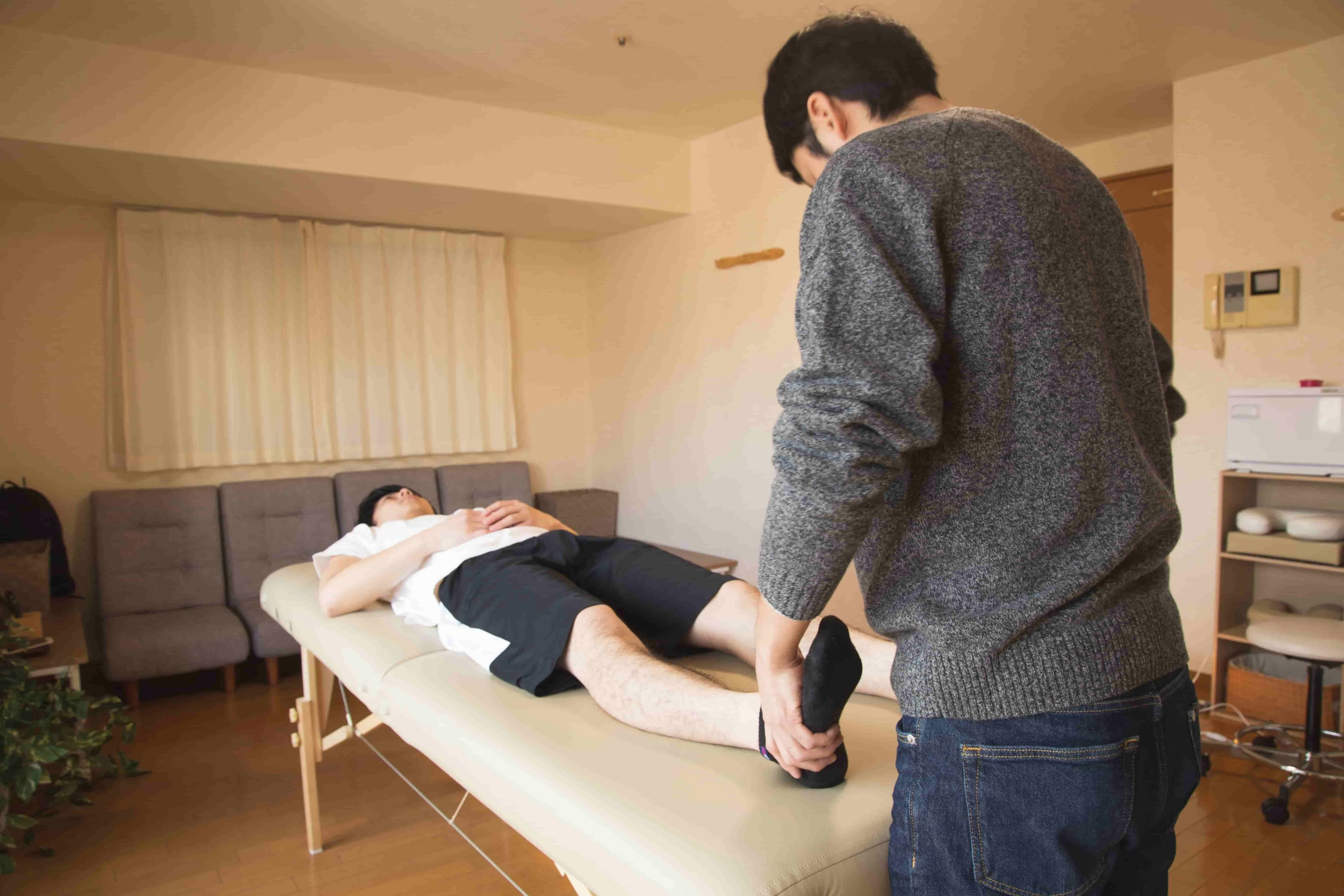
Kinesiologists focus on how you move, then build a plan around that. They assess posture, mobility, strength, and tolerance to activity so they can target the root causes of pain rather than just the symptoms. They also adjust exercise plans as your pain levels and capacity change, which is helpful for long-term management.
Conditions that may benefit
Kinesiology can support people with chronic back pain, arthritis, fibromyalgia, repetitive strain injuries, and other persistent musculoskeletal issues. It is also useful for people who feel stuck in a cycle of pain, fear of movement, and weakness, since gradual exercise can rebuild confidence and durability. For many people, this approach works best as part of a broader care plan.
Why it works
The main benefit is that kinesiologists use progressive exercise to restore safe movement without overwhelming the body. They often combine strengthening, mobility work, flexibility training, and movement retraining to improve how the body handles daily activity. That can lead to better function, less stiffness, and fewer flare-ups over time.
When to see one
A kinesiologist may be a good fit if pain has lasted longer than the usual healing window, if movement feels limited, or if you want a structured exercise plan that is easier to follow than working out on your own. They are especially helpful when pain is affecting work, exercise, or everyday tasks. If your pain is severe, worsening, or linked to a new injury, a medical assessment first is still important.
What to expect
A typical program starts with a movement assessment, then moves into a customised exercise plan that progresses gradually. Sessions may include strength work, stretching, balance training, and education on how to stay active without making symptoms worse. Over time, the goal is to feel safer and more manageable.
FAQ
Q: Is kinesiology the same as physiotherapy?
A: No. Kinesiologists focus more on exercise, movement retraining, and functional conditioning, while physiotherapists often provide broader assessment and hands-on treatment.
Q: Can a kinesiologist help if movement makes my pain worse?
A: Yes. They usually start with gentle, low-impact activity and progress slowly so you can build tolerance safely.
Q: How long does it take to feel better?
A: It depends on the cause of pain and how consistent the program is, but many people improve gradually over weeks to months.
Q: Can a kinesiologist help with back pain?
A: Yes. Back pain is one of the most common reasons people use kinesiology, especially when posture, weakness, or movement habits are contributing.
Q: Should I choose kinesiology or another treatment first?
A: If pain is tied to movement, weakness, or deconditioning, kinesiology can be a strong option. If you are unsure, a physiotherapy assessment can help determine the best path.
Move Well Physiotherapy & Sports Clinic can support chronic pain management with personalised kinesiology and movement-based care in Vancouver. Their approach is designed to help you move better, rebuild confidence, and reduce pain in a practical, structured way.
Contact Move Well Physiotherapy & Sports Clinic at info@movewellclinic.ca or visit movewellclinic.ca to book your assessment and start a tailored chronic pain plan.