
We live in a world built for convenience, but many of our modern habits are silently sabotaging one of the most important elements of our physical health: posture. Whether it’s sitting hunched over at a desk, scrolling on a smartphone, or carrying a heavy shoulder bag, the way we move (or don’t move) each day can have a lasting impact on how we stand, walk, and feel.
Poor posture doesn’t just affect appearance — it can lead to chronic pain, fatigue, headaches, poor circulation, and even reduced lung capacity. Thankfully, awareness is the first step toward improvement.
Here are the top 7 everyday habits that are ruining your posture — and how you can fix them starting today.
1. Slouching While Sitting
Why It’s Harmful:
Slouching is one of the most common posture problems, especially for those who spend long hours sitting at desks, driving, or watching TV. When you slouch, you round your shoulders and let your lower back collapse, which can:
- Place extra pressure on spinal discs
- Tighten hip flexors and hamstrings
- Weaken core and back muscles
- Create shoulder and neck tension
- Lead to lower back and sciatic pain
Over time, this seated posture becomes your default even when you’re standing or walking.
How to Fix It:
- Use an Ergonomic Chair: Choose a chair with proper lumbar support that follows the natural curve of your spine.
- Sit at 90 Degrees: Your knees should be level with or slightly lower than your hips, and feet flat on the floor.
- Keep Your Core Engaged: Gently tighten your abdominal muscles to support your spine.
- Reposition Regularly: Shift positions, stand up, or stretch every 30–45 minutes to prevent stiffness.
📌 Posture Reminder: Stick a small note or use a posture tracking app to keep you mindful of your sitting habits throughout the day.
2. Looking Down at Your Phone (“Tech Neck”)
Why It’s Harmful:
The average person spends over 3–5 hours daily on a smartphone. Each time you tilt your head down, the pressure on your neck increases — up to 60 pounds of force at a 60-degree tilt. This chronic flexion leads to:
- Tension headaches
- Upper back and shoulder pain
- Loss of cervical curve (natural neck alignment)
- Forward head posture
- Reduced breathing efficiency
How to Fix It:
- Bring the Phone to Eye Level: Hold your device higher rather than bending your neck down.
- Perform Chin Tucks: Sit upright, tuck your chin straight back to align the neck with the spine. Hold for 5–10 seconds and repeat.
- Take Digital Breaks: Use the 20-20-20 rule: Every 20 minutes, look at something 20 feet away for 20 seconds.
- Use Voice-to-Text: Reduce typing time by speaking instead of texting when possible.
📱 Posture Tech Tip: Consider a phone stand or adjustable holder for long browsing or video calls.
3. Poor Desk Setup at Work or Home
Why It’s Harmful:
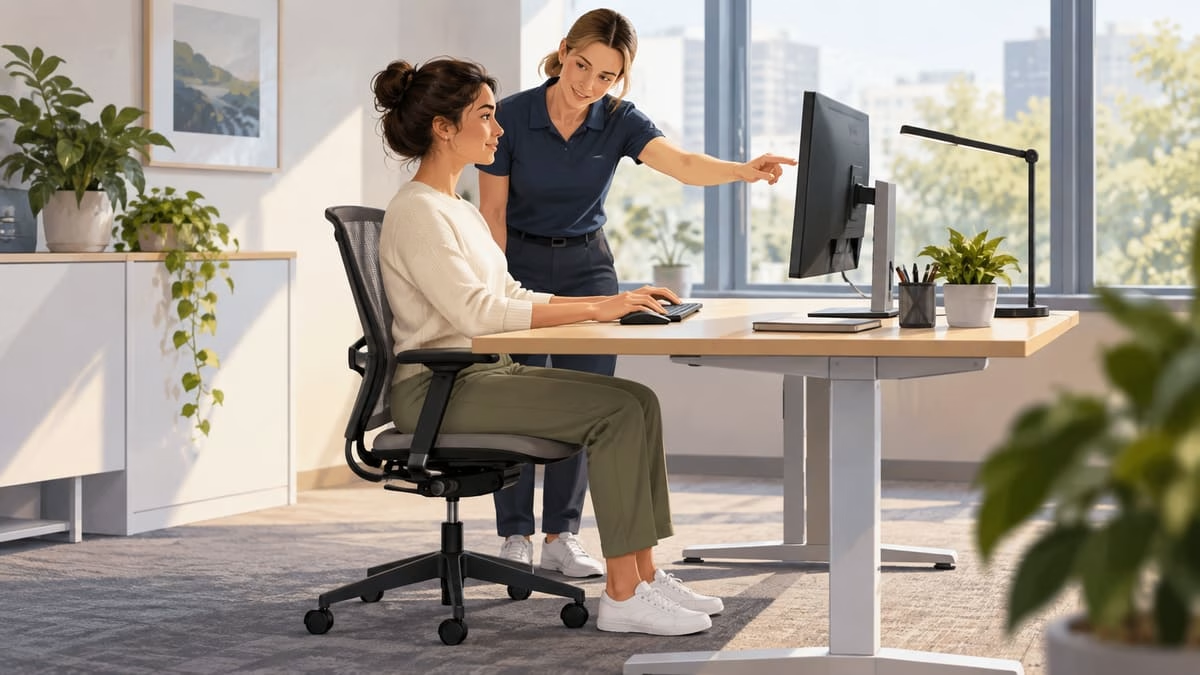
An ergonomically poor workspace can lead to chronic discomfort and misalignment. If your monitor is too low, keyboard too far, or chair too high, your body will adapt by twisting, craning, or slouching — all bad news for your spine and muscles.
Common consequences include:
- Rounded shoulders
- Carpal tunnel syndrome
- Lower back compression
- Hip tightness and stiffness
How to Fix It:
- Screen Position: The top third of your monitor should be at or slightly below eye level, about an arm’s length away.
- Desk Height: Elbows should be at a 90-degree angle when typing.
- Feet Flat: Use a footrest if necessary to keep your knees level and feet grounded.
- Use a Sit-Stand Desk: Switching between sitting and standing helps alleviate pressure and fatigue.
🖥️ Workspace Hack: Add a rolled towel or lumbar cushion to your lower back if your chair lacks support.
4. Wearing Unsupportive Footwear
Why It’s Harmful:
Shoes are your body’s foundation. If they lack support, have uneven wear, or distort your natural gait, your entire kinetic chain — ankles, knees, hips, spine — suffers. Common offenders include:
- Flip-flops and sandals with no arch support
- High heels that shift weight forward
- Worn-out sneakers with no cushioning
- Flat shoes that collapse arches
Over time, these can lead to:
- Plantar fasciitis
- Knee pain
- Pelvic tilt
- Imbalanced posture
How to Fix It:
- Choose Supportive Shoes: Look for proper arch support, firm heel counters, and shock-absorbing soles.
- Limit High Heels: If you must wear them, opt for lower heels (under 2″) and use gel inserts.
- Rotate Your Footwear: Give your shoes time to decompress and avoid wearing the same pair daily.
- Try Orthotics: Custom or over-the-counter inserts can help with alignment and comfort.
👟 Foot Health Tip: Check the soles of your shoes — uneven wear is a sign your gait may need correction.
5. Carrying Heavy Bags on One Shoulder
Why It’s Harmful:
Toting around a laptop bag, purse, or backpack on one side causes your body to compensate by raising one shoulder, shifting your spine, and overusing certain muscles. This leads to:
- Uneven shoulders
- Muscle tightness on one side
- Spinal curvature
- Neck and back discomfort
Even children carrying heavy backpacks often show signs of posture imbalance.
How to Fix It:
- Use a Backpack with Two Straps: Even distribution is key to minimizing stress.
- Switch Shoulders Often: If using a shoulder bag, change sides frequently to balance the load.
- Lighten Your Bag: Carry only essentials and empty your bag daily.
- Adjust Strap Length: Your bag should sit close to your back, not hanging low.
🎒 Tip for Travelers and Students: Padded shoulder straps and waist belts can greatly reduce spinal load.
6. Sleeping in the Wrong Position
Why It’s Harmful:
You spend about a third of your life sleeping. If you’re sleeping in a position that twists your spine or strains your neck, it can undo all the good posture work you do while awake. Common problems include:
- Sleeping on your stomach (twists neck and flattens spine)
- Using a pillow that’s too flat or too high
- Poor mattress support
- Curling into a fetal position
This often leads to:
- Neck stiffness
- Lower back pain
- Hip misalignment
- Numbness in limbs
How to Fix It:
- Back Sleepers: Use a thin pillow for your head and place another under your knees to maintain spinal alignment.
- Side Sleepers: Use a thicker pillow to keep your neck aligned, and place a pillow between your knees.
- Avoid Stomach Sleeping: It flattens the natural curve of your spine and strains your neck.
- Invest in a Good Mattress: A medium-firm mattress often provides optimal spinal support.
🛌 Nighttime Tip: A body pillow can help side sleepers maintain alignment and reduce rolling into awkward positions.
7. Neglecting Core Strength and Flexibility
Why It’s Harmful:
Your core is your body’s central support system. Without adequate core strength, your body has no internal scaffolding to hold itself upright. Weak core muscles lead to:
- Slouching
- Pelvic tilt
- Poor balance
- Increased injury risk
Similarly, tight muscles (like hamstrings, chest, and hip flexors) can pull your body into misalignment.
How to Fix It:
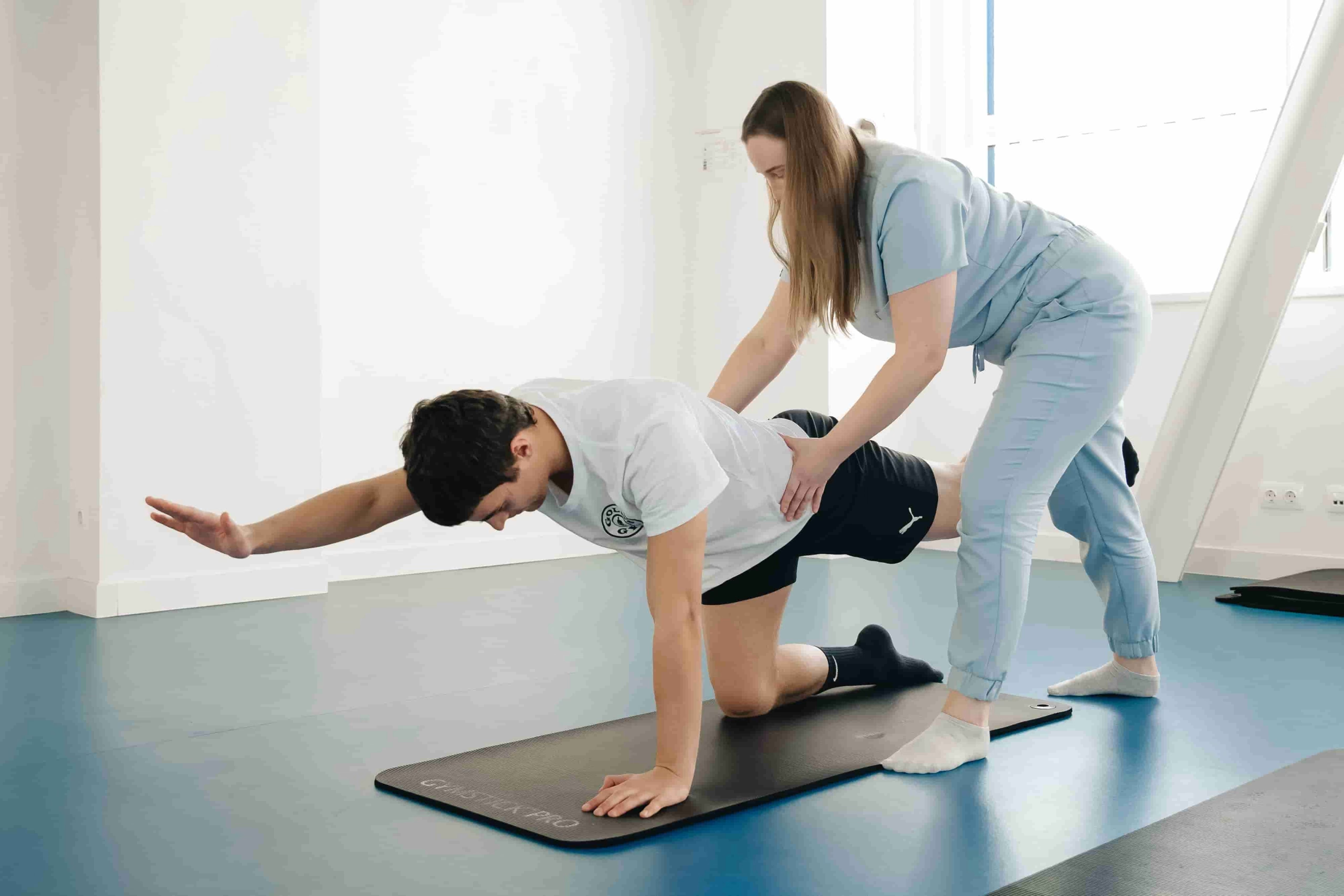
- Strengthen Your Core: Include planks, dead bugs, and bird-dogs in your routine.
- Stretch Regularly: Stretch your hip flexors, hamstrings, chest, and shoulders to maintain full range of motion.
- Incorporate Yoga or Pilates: These practices improve both flexibility and body awareness.
- Stay Active: A sedentary lifestyle accelerates muscle loss and weakens posture-supporting muscles.
🏋️ Exercise Reminder: Just 10–15 minutes of core work a day can make a lasting difference in how you carry yourself.
Final Thoughts: Small Changes = Big Results
Improving your posture isn’t about dramatic lifestyle overhauls. It’s about making small, consistent tweaks to your habits that stack up over time. From adjusting your chair height to doing a few stretches in the morning, these simple changes can have a big impact on how you feel — and how your body functions.
You only get one spine — take care of it.
✅ Recap: Quick Fixes for Everyday Posture Killers
| Posture-Damaging Habit | Quick Fix |
| Slouching while sitting | Use ergonomic seating and engage your core |
| Looking down at devices | Raise your phone and take breaks |
| Poor desk ergonomics | Align monitor, keyboard, and seat height |
| Bad footwear | Choose supportive shoes with good arch support |
| Carrying heavy bags | Use backpacks or lighten your load |
| Poor sleep position | Sleep on your back or side with spine alignment |
| Weak core muscles | Exercise regularly and stretch tight areas |
Want to Improve Posture Starting Today?
Start by picking just one habit from the list above to change this week. Track your progress, stay mindful of your body, and build momentum toward a stronger, pain-free posture.