
Workplace injuries can affect more than the working day. A sore shoulder may make reaching difficult at home, while hand discomfort can interfere with everyday tasks. Understanding the problem is the first step toward finding appropriate support.
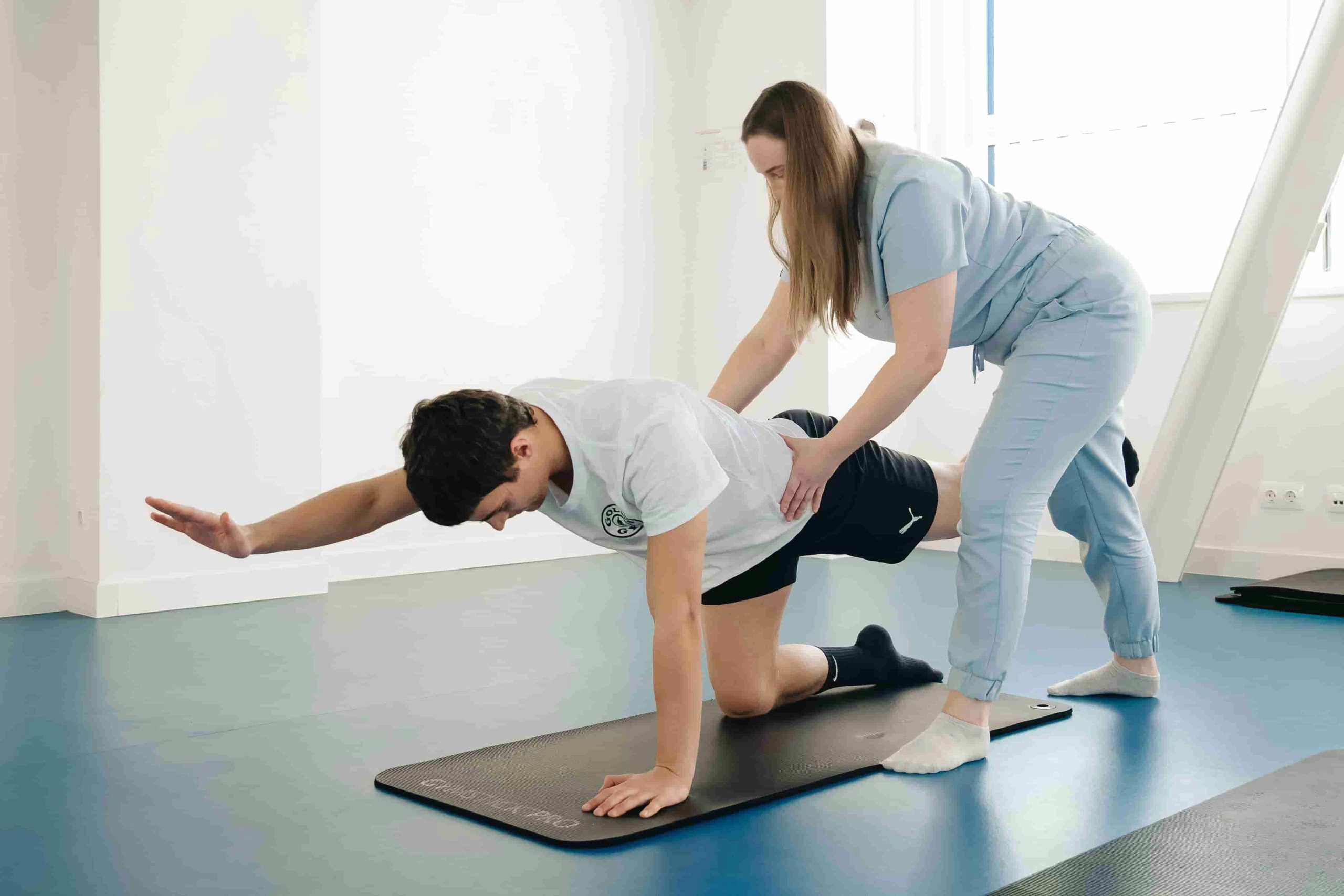
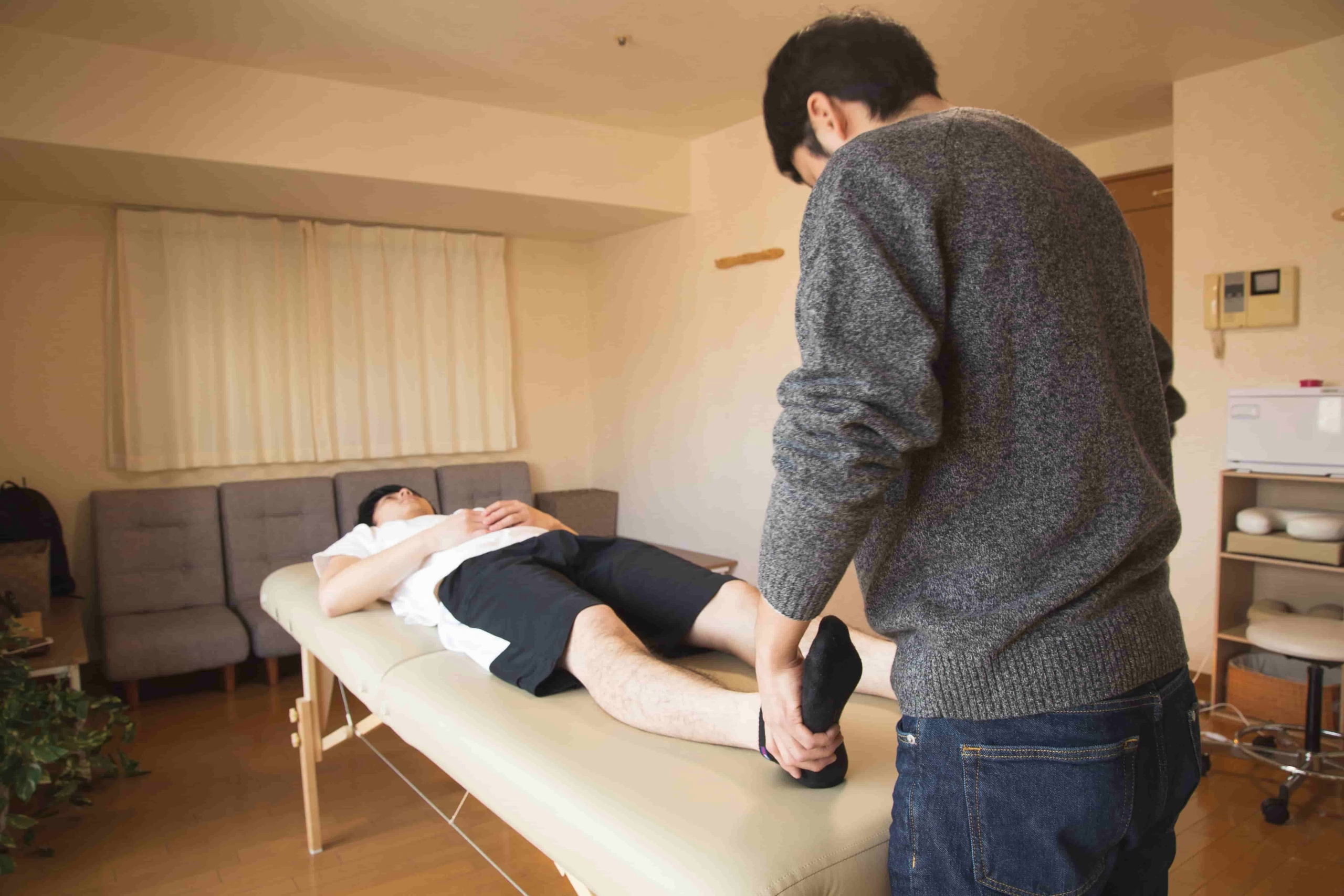
Workplace injuries physiotherapy focuses on assessment and rehabilitation for movement-related concerns. The right approach depends on the person, their symptoms and the demands of their work.
Workplace discomfort can develop in different ways
Some problems follow a specific incident. Others develop gradually during tasks that involve repeated movements, force or sustained positions. Lifting, gripping and reaching can place different demands on the body.
A job title alone does not explain what someone does throughout a shift. Two people in the same role may have different duties, equipment and recovery opportunities. An assessment helps connect the person's experience with their actual activities.
Common work-related movement problems
Work-related musculoskeletal disorders can involve muscles, tendons and nerves. Examples include tendinitis and carpal tunnel syndrome. Symptoms can include pain, stiffness, tingling or difficulty carrying out usual movements.
Repetition, force and awkward positions are among the workplace factors that may contribute. How often a task occurs and the opportunities for recovery also matter. Pain in one area does not establish a diagnosis, so it is useful to describe the symptoms without assuming their cause.
What a physiotherapy assessment may explore
Before an appointment, consider:
- Which tasks bring on symptoms and how frequently you perform them.
- Whether lifting, carrying, pushing, pulling or reaching is difficult.
- How symptoms change during or after a shift.
- Which activities outside work have become harder.
- Any existing medical advice or work restrictions.
These details help make the conversation specific. MoveWell Mobile Therapy's mobile physiotherapy service provides individualized care at home, including exercise and hands-on treatment.
Rehabilitation and workplace changes have different roles
A rehabilitation plan may help address movement and function. Workplace hazards still need attention through the appropriate workplace processes. Exercises alone do not remove a task hazard or resolve every problem with equipment or duties.
MoveWell also offers on-site physiotherapy at a chosen location, including workplaces. Ask what a proposed visit includes. A physiotherapy appointment does not automatically mean that a formal workplace assessment or return-to-work program is included.
Prepare for a useful conversation
Specific examples are helpful: “reaching to the upper shelf becomes difficult near the end of my shift” gives more context than “my shoulder hurts.” Bring relevant instructions you have already received and explain the activities you want to return to.
Rehabilitation goals should reflect your current abilities and clinical advice. Progress and the next steps can then be discussed without assuming a fixed recovery timeline.
Workplace injury physiotherapy FAQs
Can workplace symptoms develop gradually?
Yes. Some concerns follow a particular incident, while others develop during repeated movements, forceful tasks or sustained positions. Describe the tasks and symptoms to the clinician without assuming a diagnosis.
What should I discuss during an assessment?
Explain which tasks bring on symptoms, how often you perform them and what has become difficult at work or home. Bring any existing medical advice or work restrictions.
Does physiotherapy remove workplace hazards?
No. Rehabilitation and workplace hazard management have different roles. Equipment, duties and task hazards still need attention through the appropriate workplace processes.
Does an on-site appointment include a formal workplace assessment?
Do not assume it does. Ask what the proposed visit includes and whether any workplace assessment or return-to-work service needs separate arrangements.
Discuss physiotherapy for workplace symptoms
Are recurring symptoms making work harder in British Columbia? Request a callback from MoveWell Mobile Therapy or call 604-698-6683 to discuss assessment options and availability at your location. You can also email info@mobiletherapy.ca for a general inquiry.