Skip to content

Physiotherapy and kinesiology both help people move better, but they do different jobs. Physiotherapy focuses on assessment, diagnosis, pain reduction, and recovery, while kinesiology focuses more on active exercise, movement correction, and performance improvement.
How physiotherapy differs
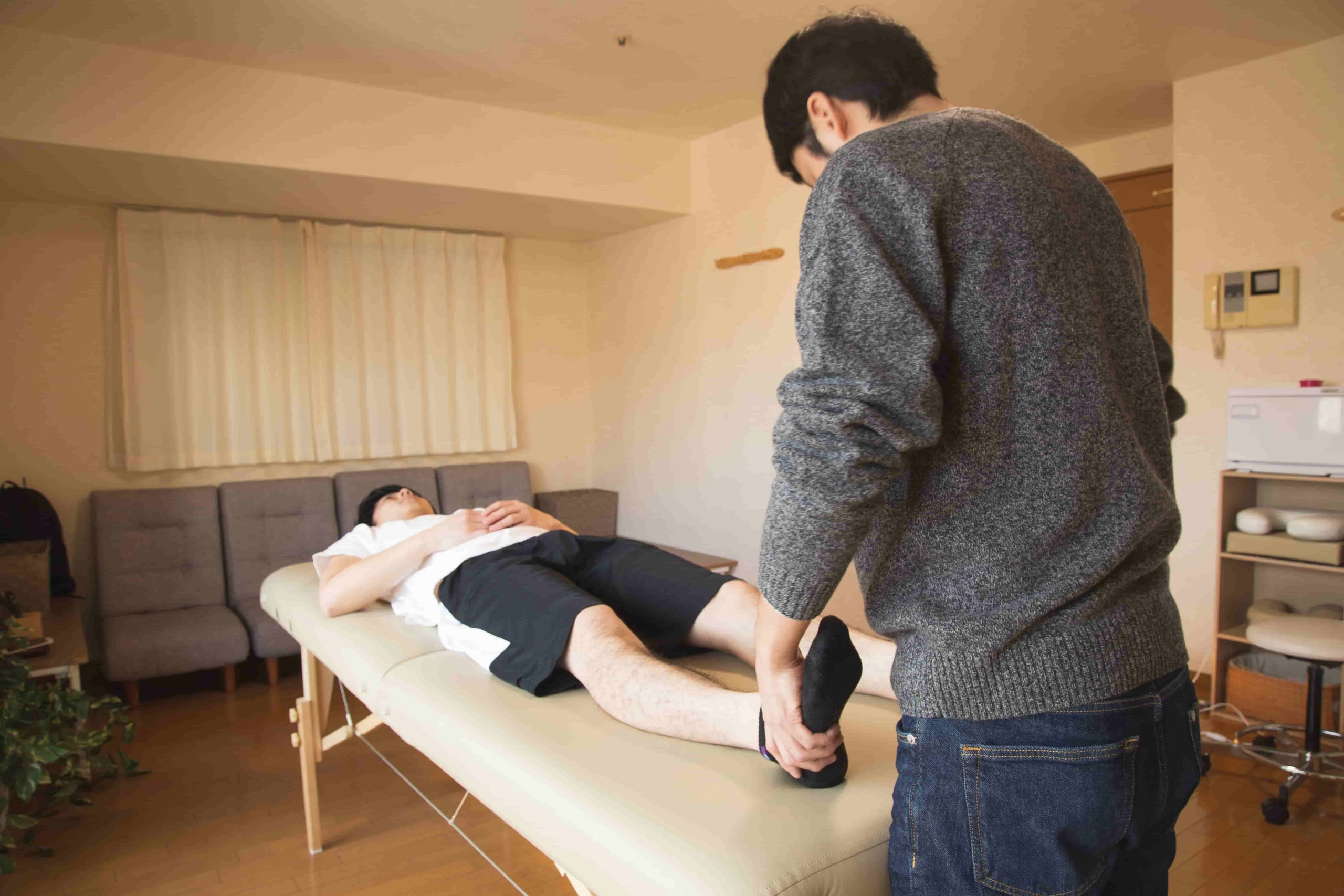
Physiotherapists work in a clinical, evidence-based setting and can assess physical impairments, diagnose movement-related problems, and create treatment plans for injury, surgery recovery, and chronic pain. Their care often includes manual therapy, therapeutic exercise, and other treatment methods aimed at reducing pain and restoring function. In many cases, physiotherapy is the better choice when symptoms are more complex or when pain is limiting daily function.
How kinesiology differs
Kinesiologists focus on the science of human movement and use exercise-based programs to improve strength, flexibility, posture, balance, and long-term function. They usually work with active rehabilitation, movement retraining, and performance goals rather than diagnosis. Kinesiology is often a strong fit for people who are recovering well but still need structured exercise support to build capacity and prevent re-injury.
Main differences at a glance
- Physiotherapy is more clinical and treatment-focused, while kinesiology is more exercise-based and movement-focused.
- Physiotherapists diagnose and treat physical impairments, while kinesiologists assess movement and guide exercise programs.
- Physiotherapy often uses manual therapy and modalities, while kinesiology emphasises active rehabilitation and conditioning.
- Physiotherapy is usually the first stop for new injuries, post-surgical recovery, or pain that needs a clinical assessment.
- Kinesiology is often used after the initial stage of recovery, or when the goal is to improve movement quality, fitness, or resilience.
Which one should you choose?
Choose physiotherapy if you have a new injury, ongoing pain, reduced range of motion, or a condition that needs diagnosis and hands-on treatment. Choose kinesiology if you already know your condition and want a structured exercise plan to rebuild strength, mobility, and confidence in movement. In many Vancouver clinics, both services work well together, especially for rehab, chronic pain, sports recovery, and return-to-activity plans.
FAQ
Q: Can kinesiology replace physiotherapy?
A: Not usually. Kinesiology is excellent for exercise-based rehab, but physiotherapy is better for diagnosis, pain management, and more complex recovery needs.
Q: Do physiotherapists and kinesiologists treat the same problems?
A: There is some overlap, but their focus is different. Physiotherapists treat clinical issues, while kinesiologists focus on movement and exercise progression.
Q: Which is better for back pain?
A: If the back pain is new, severe, or limiting function, physiotherapy is often the better first step. If the pain is stable and the goal is to strengthen and move better, kinesiology can be a good next step.
Q: Can I use both together?
A: Yes. Many people benefit from physiotherapy first and kinesiology later for long-term conditioning and prevention.
Move Well Physiotherapy & Sports Clinic can position both services as complementary options for Vancouver clients who want recovery support, movement improvement, and long-term results. That makes it easier for people to choose the right care at the right stage.
Contact Move Well Physiotherapy & Sports Clinic at info@movewellclinic.ca or visit movewellclinic.ca to book an assessment and find the best treatment path for your needs.