Skip to content

Yes, kinesiology can be effective for sports injuries when it is used as part of a structured rehab plan. It is especially useful for improving movement, rebuilding strength, correcting imbalances, and reducing the risk of re-injury during recovery.
How kinesiology helps sports injuries
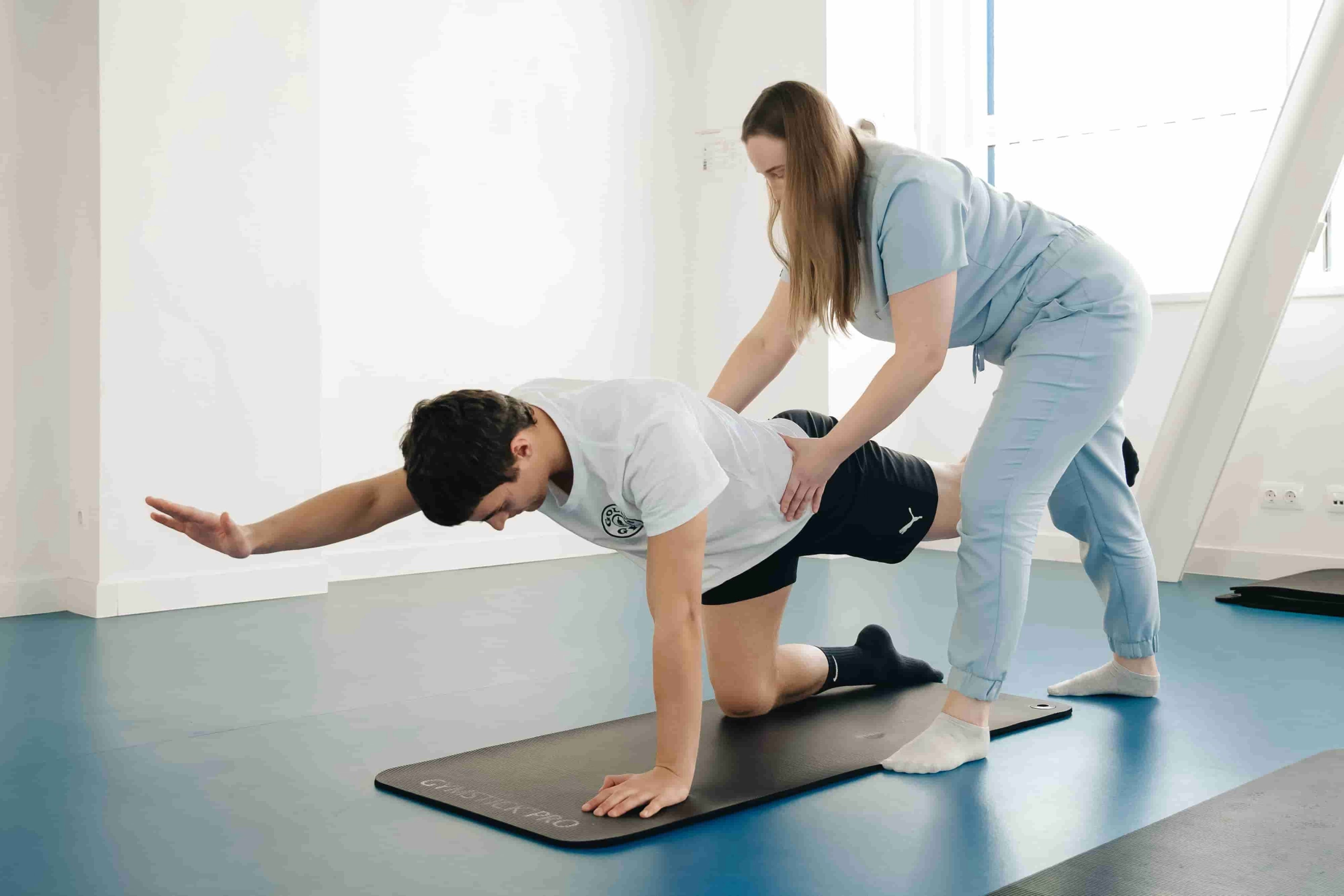
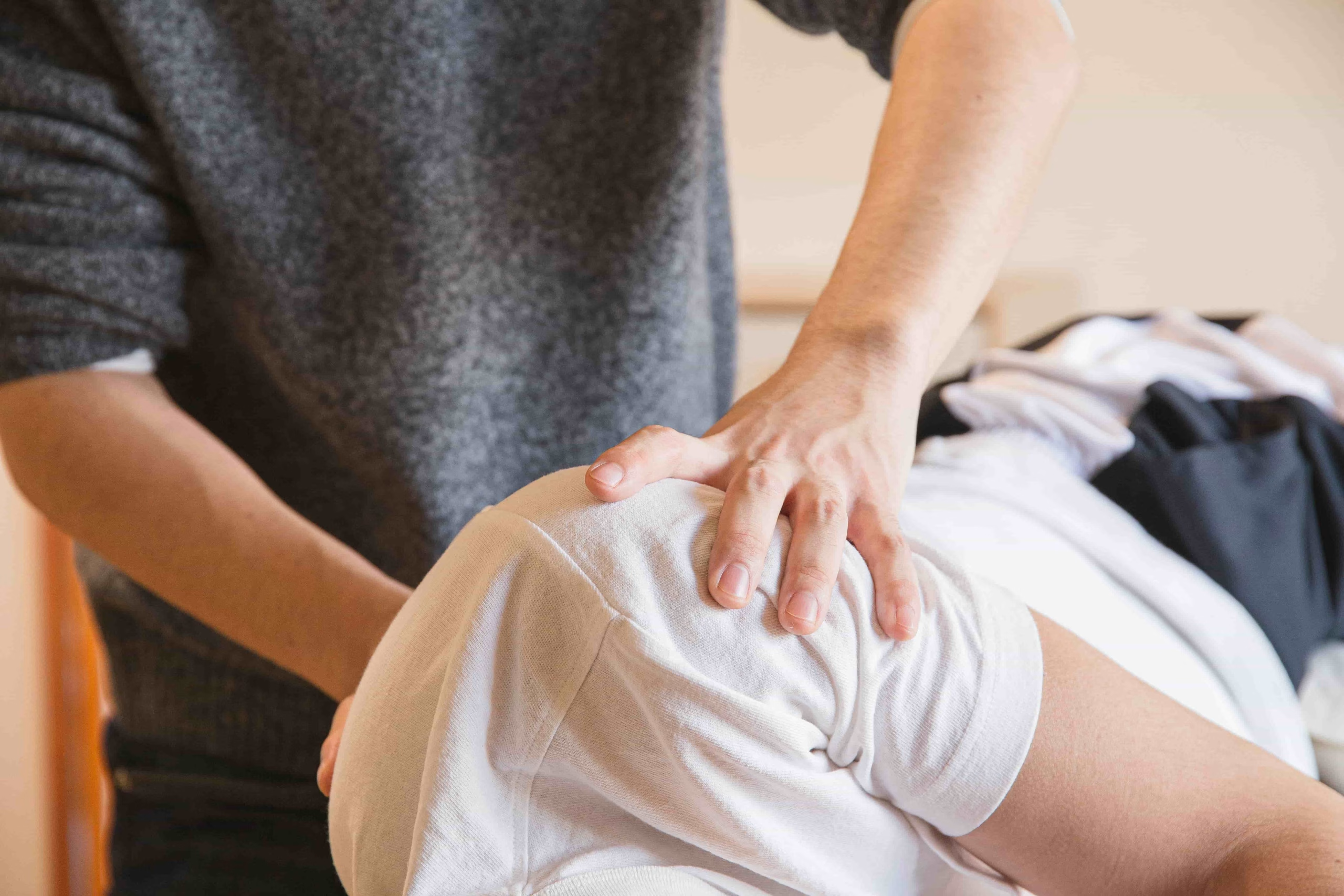
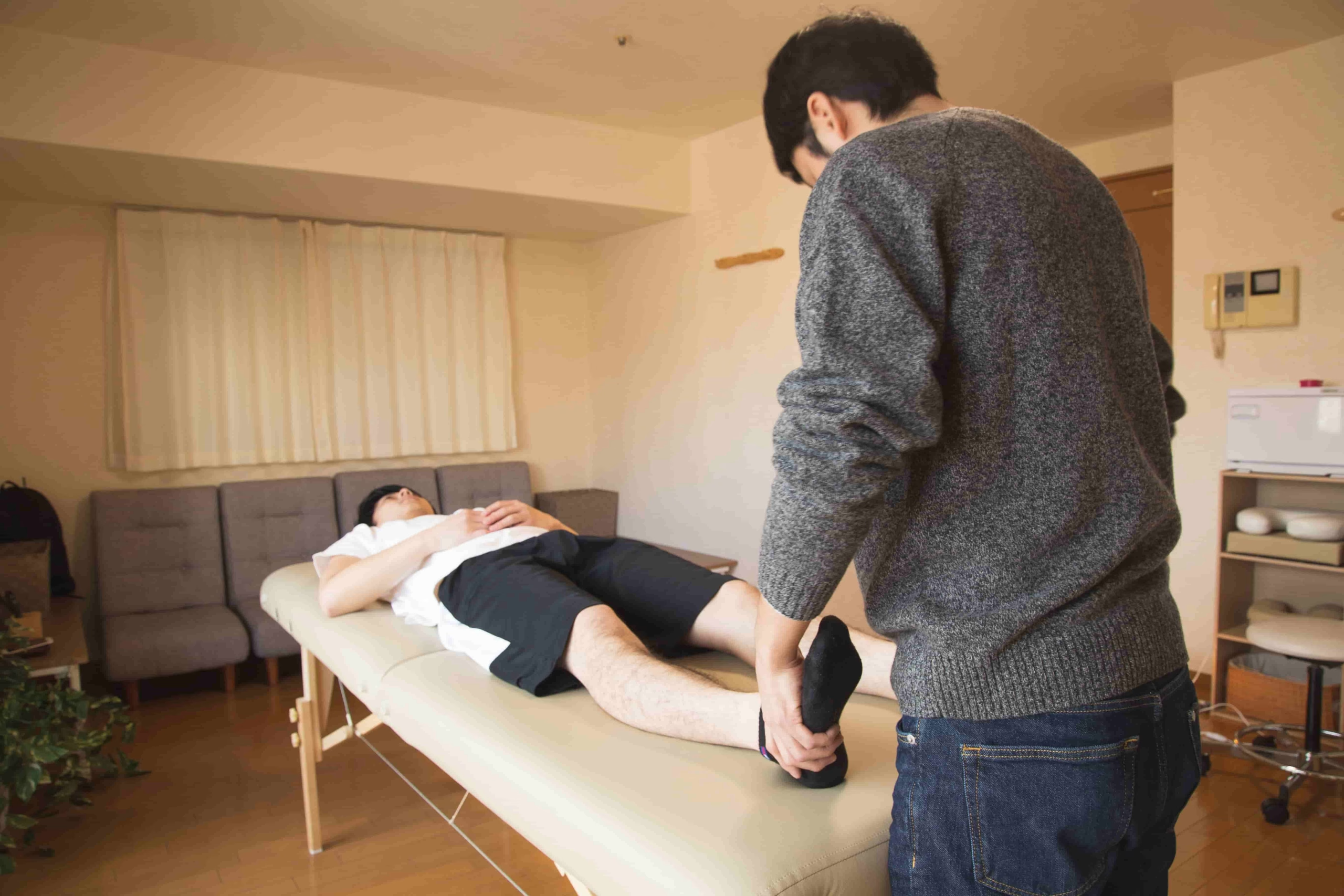
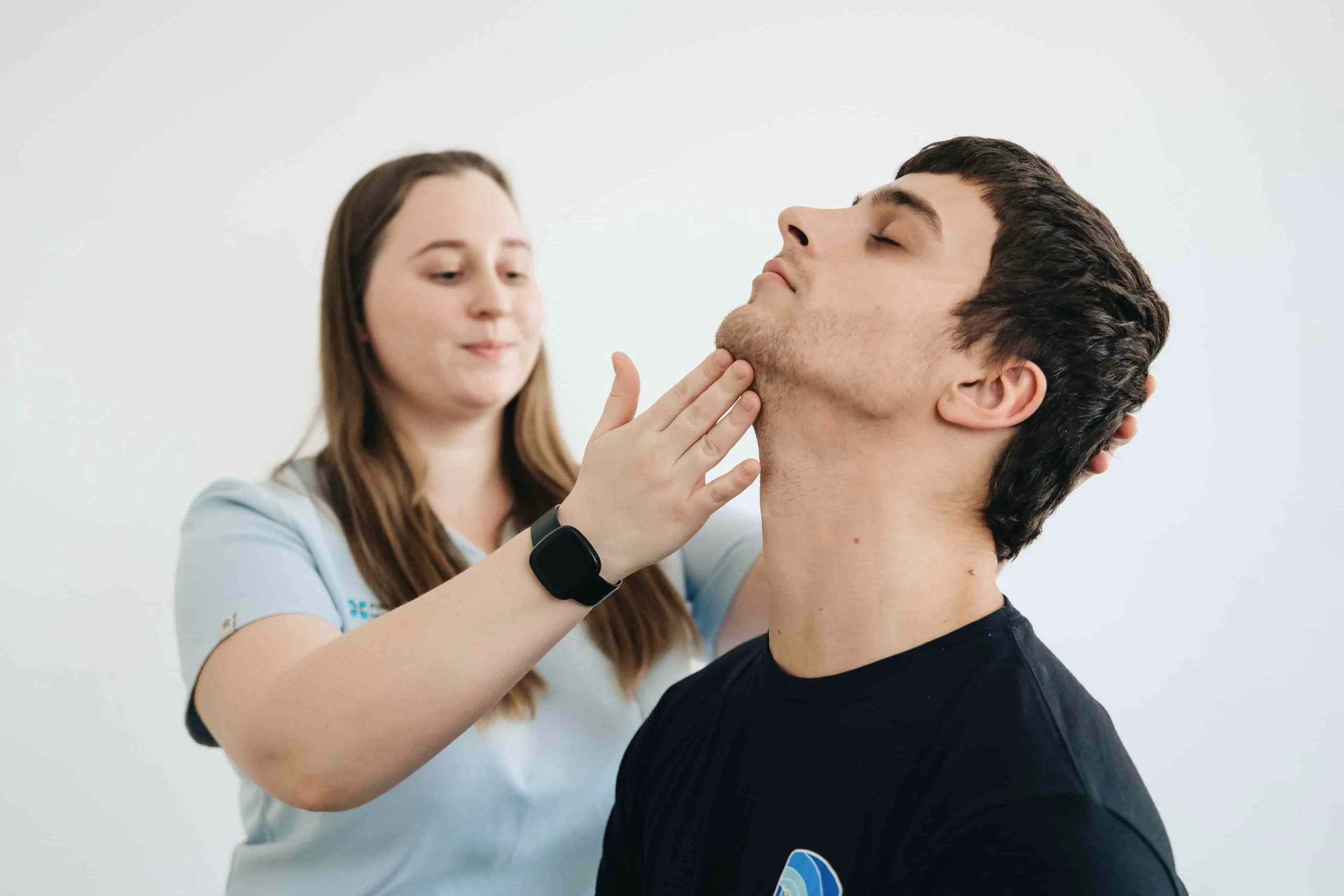
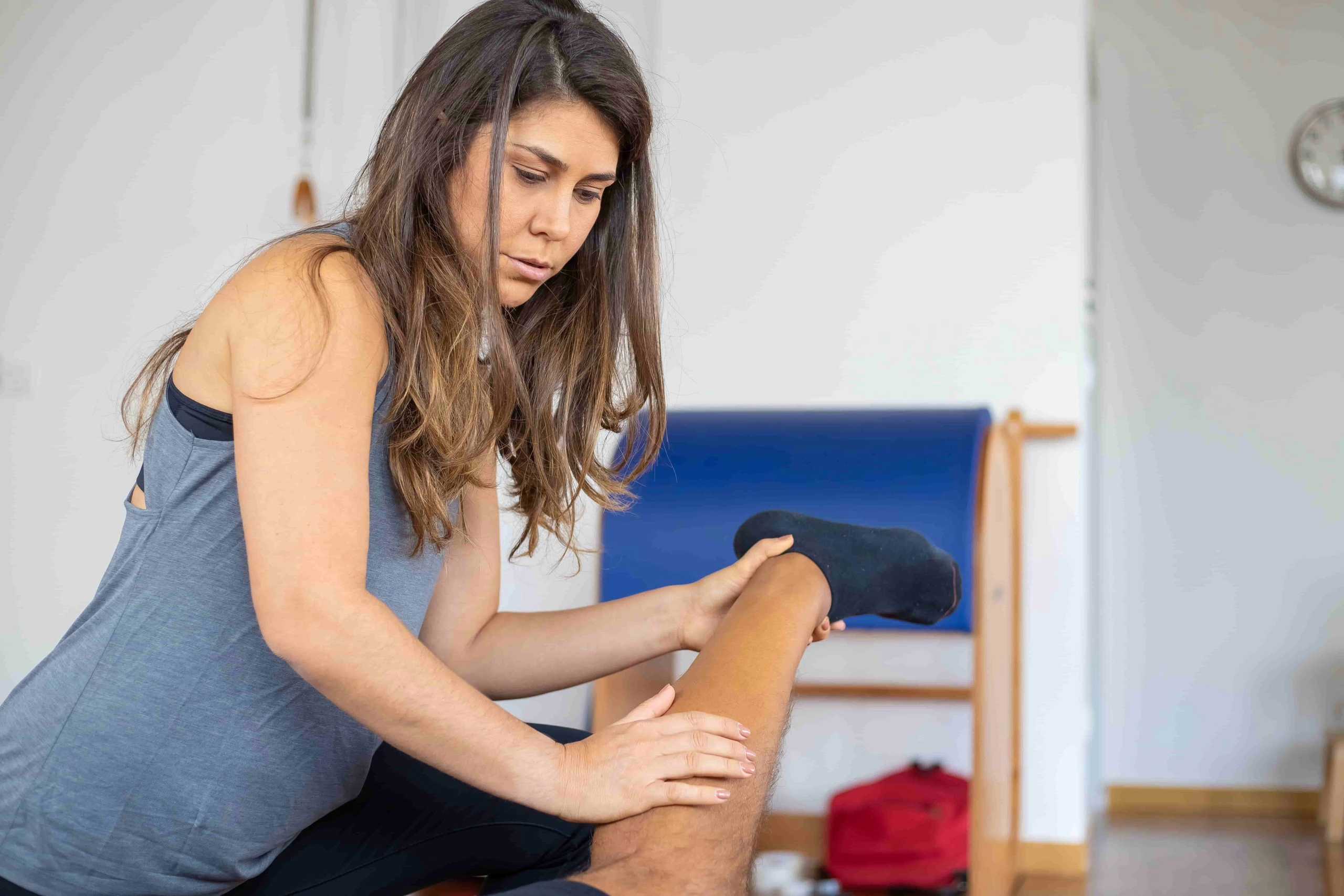
Kinesiologists focus on exercise-based rehabilitation. They assess movement patterns, strength deficits, and biomechanical issues that may have contributed to the injury in the first place. From there, they build a progressive program that helps athletes return to activity safely and with better movement quality.
Where it works best
Kinesiology is often helpful for sports injuries that need active rehab, such as overuse injuries, muscle strains, movement compensation, and return-to-sport conditioning. It can also support athletes after physiotherapy, once pain is under control and the next goal is rebuilding performance and resilience. That makes it a strong option for runners, lifters, cyclists, and recreational athletes who want more than just pain relief.
What the evidence suggests
Research on kinesiology, especially kinesiology taping, is mixed. Some reviews report small benefits for pain, range of motion, support, or proprioception in certain cases, but they also note that the overall evidence is limited and inconsistent. That means kinesiology may help, but it works best as one part of a broader rehab approach rather than a stand-alone fix.
When kinesiology is most effective
Kinesiology tends to work best when the injury is stable, and the athlete is ready for guided movement, strength training, and sport-specific progression. It is especially useful for preventing recurring problems by fixing mechanics, correcting weaknesses, and improving control. If the injury is very acute, severe, or not yet diagnosed, physiotherapy or medical assessment should come first.
What can athletes expect?
A kinesiologist may use mobility work, strength training, balance drills, return-to-sport exercises, and movement retraining. In some cases, kinesiology taping may be added for short-term support or comfort, but it should not be viewed as the main treatment. The goal is to help the body move better so the athlete can return to sport with less risk of another setback.
FAQ
Q: Can kinesiology replace physiotherapy for sports injuries?
A: Not usually. Physiotherapy is better for initial assessment and pain-focused treatment, while kinesiology is often best for active rehab and return-to-sport training.
Q: Does kinesiology tape heal injuries faster?
A: The evidence does not strongly support faster healing. It may provide short-term support or comfort, but it is not a cure.
Q: Is kinesiology good for runners and athletes?
A: Yes. It can help improve movement efficiency, correct imbalances, and reduce repeat injuries during training.
Q: Should I use kinesiology if my injury is still painful?
A: If pain is severe or your injury is still changing, get assessed first. Kinesiology works best once the condition is stable enough for active rehab.
Move Well Physiotherapy & Sports Clinic can position kinesiology as a smart option for Vancouver athletes who want active, movement-based recovery after sports injuries. It fits well for clients who need structured rehab, performance rebuilding, and long-term injury prevention.
Contact Move Well Physiotherapy & Sports Clinic at info@movewellclinic.ca or visit movewellclinic.ca to book an assessment and find the right recovery plan for your sports injury.