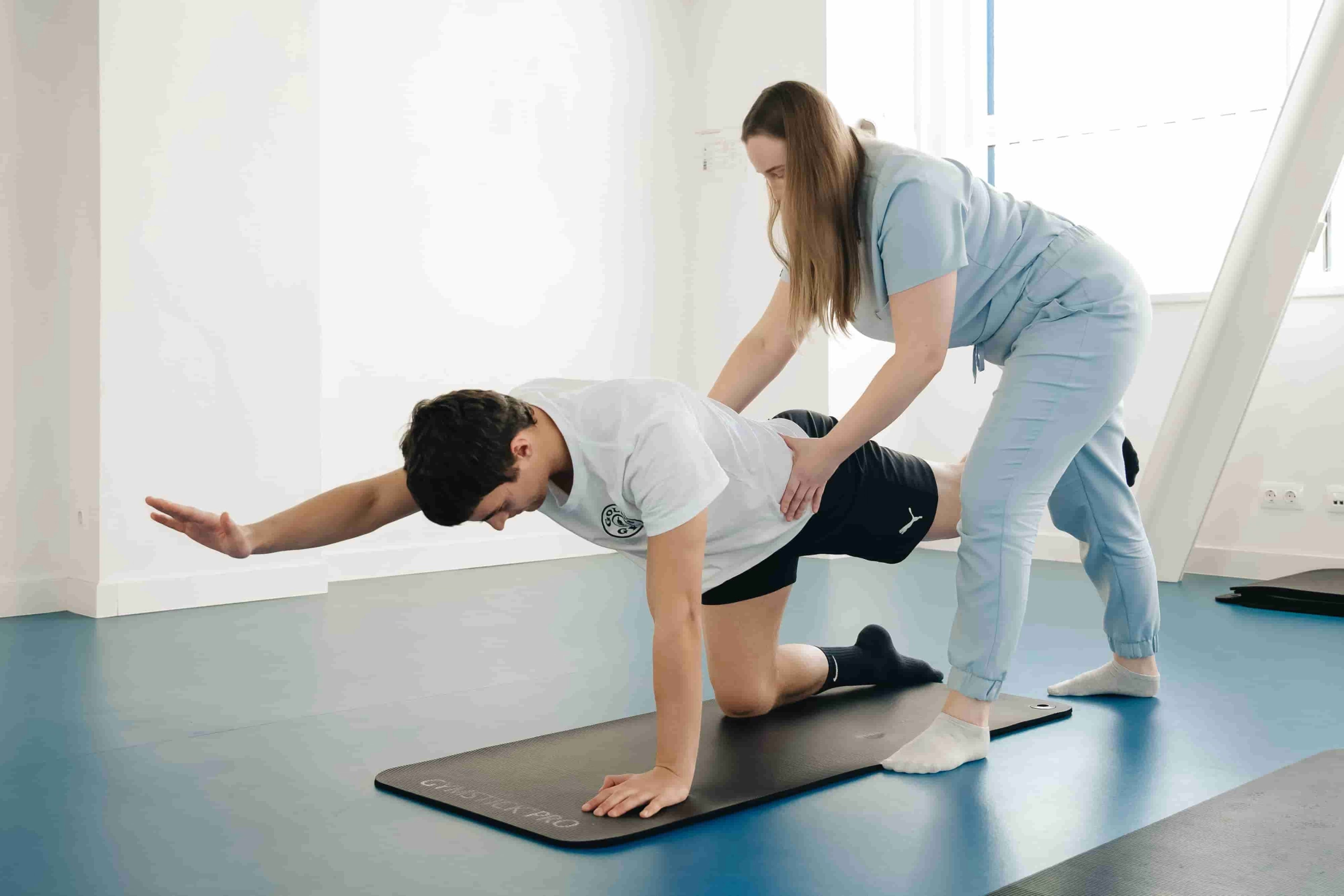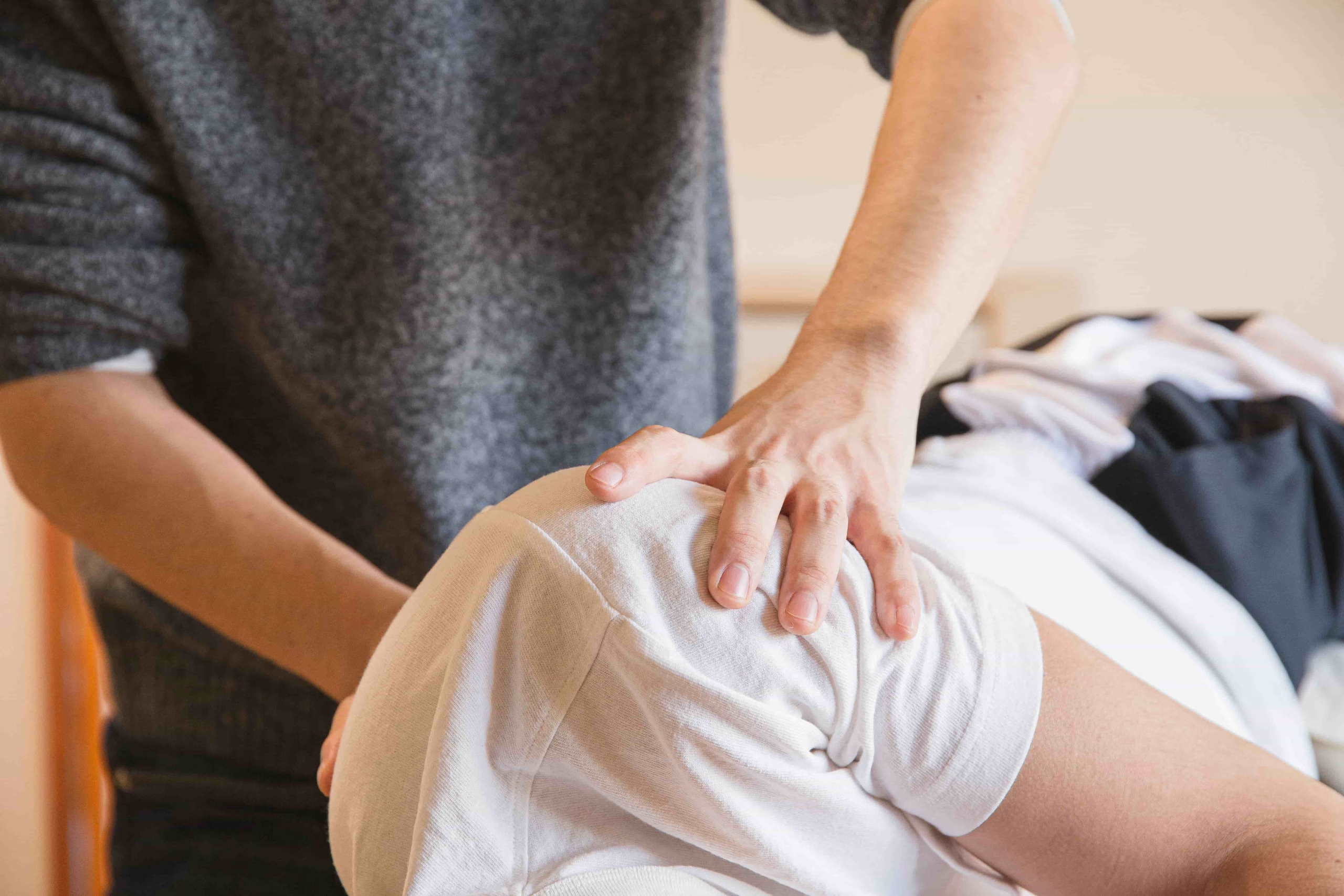

A useful falls prevention program combines appropriate balance and strength exercise with attention to the reasons a person may fall. For older adults, that can include walking difficulties, home hazards, vision and medication-related concerns. No program can prevent every fall, but a targeted plan is more useful than giving everyone the same exercise sheet.
Begin with the fall or near-fall pattern
An assessment should explore what happened, not just whether you fell. Turning quickly, getting up at night, stepping off a curb and feeling faint after standing can point to different difficulties.
Tell the clinician about near-falls as well as falls. Also describe your walking aid, footwear, pain and activities you have begun avoiding. Fear of falling can reduce activity and make rebuilding strength harder.
A sudden change, unexplained fainting or an injury from a fall may need medical assessment alongside the rehabilitation plan.
Include strength and balance that can progress
Balance practice should be challenging enough to work on the identified difficulty, but not so difficult that it makes an unsupported fall likely. Stable supports and supervision may be needed at the start.
Strength work can address movements such as rising from a chair or stepping up. The clinician should choose the starting level and progression based on your ability, symptoms and relevant restrictions.
Practice needs to continue beyond the assessment. Ask what to do between visits, what assistance you need and which signs mean an exercise should be stopped or changed.
Address the surroundings and medical contributors
Loose rugs, poor lighting, clutter and unsuitable handholds can undermine improvement in physical ability. A home visit allows the clinician to see the routes and tasks you use regularly.
Vision, dizziness, medication effects and reduced sensation may also contribute. These concerns should be directed to the appropriate healthcare team; do not alter a prescription yourself because of a suspected side effect.
Exercise and environmental changes work on different parts of the problem. Neither should be treated as a reason to ignore the other.
Review everyday function, not a guarantee
Useful progress might include a more controlled chair transfer, improved walking confidence or safer use of a prescribed aid. The relevant measures should match the problems identified during assessment.
If you continue having near-falls, tell the clinician rather than assuming that more repetitions will solve them. The plan may need to change or a medical contributor may require further review.
Avoid judging a program by claims that it eliminates risk. The aim is to address identifiable risks and improve function while acknowledging that falls can have multiple causes.
Falls prevention with Mobile Therapy
Mobile Therapy’s falls prevention program brings rehabilitation into home and community settings. Its mobile physiotherapy helps connect exercise with actual movement around the home, while kinesiology services can support appropriate exercise needs.
The team serves Metro Vancouver and Nanaimo. Explain your recent falls, support needs and location when asking which service is appropriate.
Frequently asked questions
Do I need to have fallen already?
No. Near-falls, reduced steadiness or difficulty with daily movement are also worth discussing.
Is walking alone enough?
Walking is useful activity, but it does not address every balance or strength difficulty.
Should a caregiver take part?
With your agreement, they can learn how to provide the assistance identified in the plan.
Can I stop using my walker after starting exercise?
Do not abandon it without assessment. Exercise progress and safe aid use should be reviewed together.
Arrange a falls prevention discussion
Call 604-698-6683 or contact Mobile Therapy to ask about an assessment in your area.