
Injury and surgery can significantly disrupt your life. From limited mobility and persistent pain to lost productivity and daily frustration, recovery is rarely a straight path. Fortunately, physiotherapy is one of the most effective, evidence-based ways to accelerate your recovery, helping you regain strength, restore function, and return to the activities you love, safely and efficiently.
Whether you’re recovering from a sports injury, orthopedic surgery, or chronic condition, this guide will break down how physiotherapy helps you heal faster, why it works, and what you can expect from your recovery journey.
🔍 Why Is Recovery Often Slow Without Physiotherapy?
Before diving into the solutions, let’s understand the problem: Why does recovery sometimes stall without guided physiotherapy?
When your body experiences trauma, whether from an acute injury like a sprained ankle or a surgical procedure like knee replacement, the affected tissues lose function, strength, and mobility. Without proper intervention:
- Muscles weaken and atrophy
- Joints stiffen and lose range of motion
- Scar tissue can form improperly
- Movement compensation patterns may develop, leading to further injury
Many people fall into the trap of “rest is best,” when in reality, smart, guided movement is crucial for healing. That’s where physiotherapy comes in.
✅ 1. Restoring Mobility and Range of Motion
One of the first goals of physiotherapy after an injury or surgery is to restore normal joint and muscle movement.
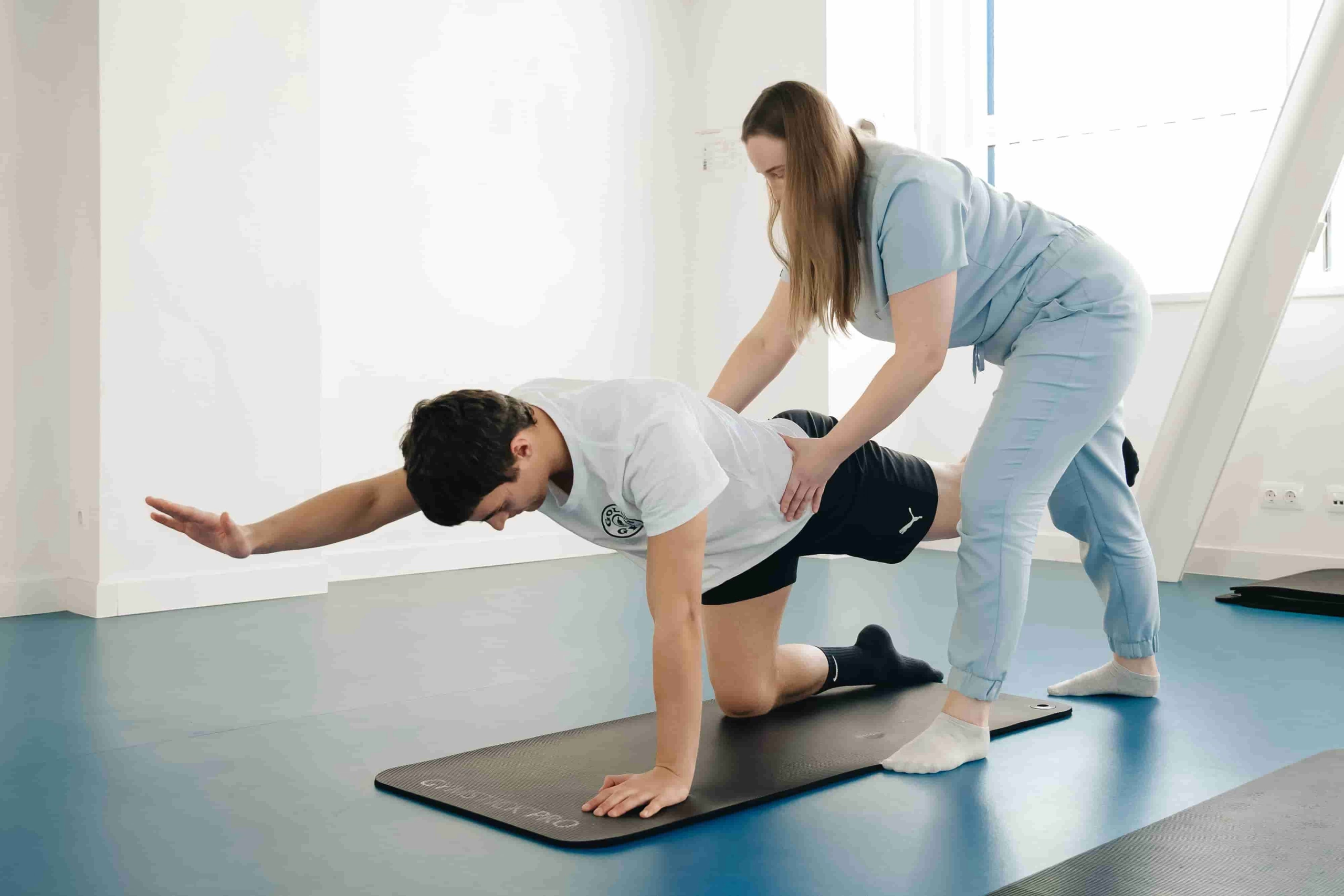
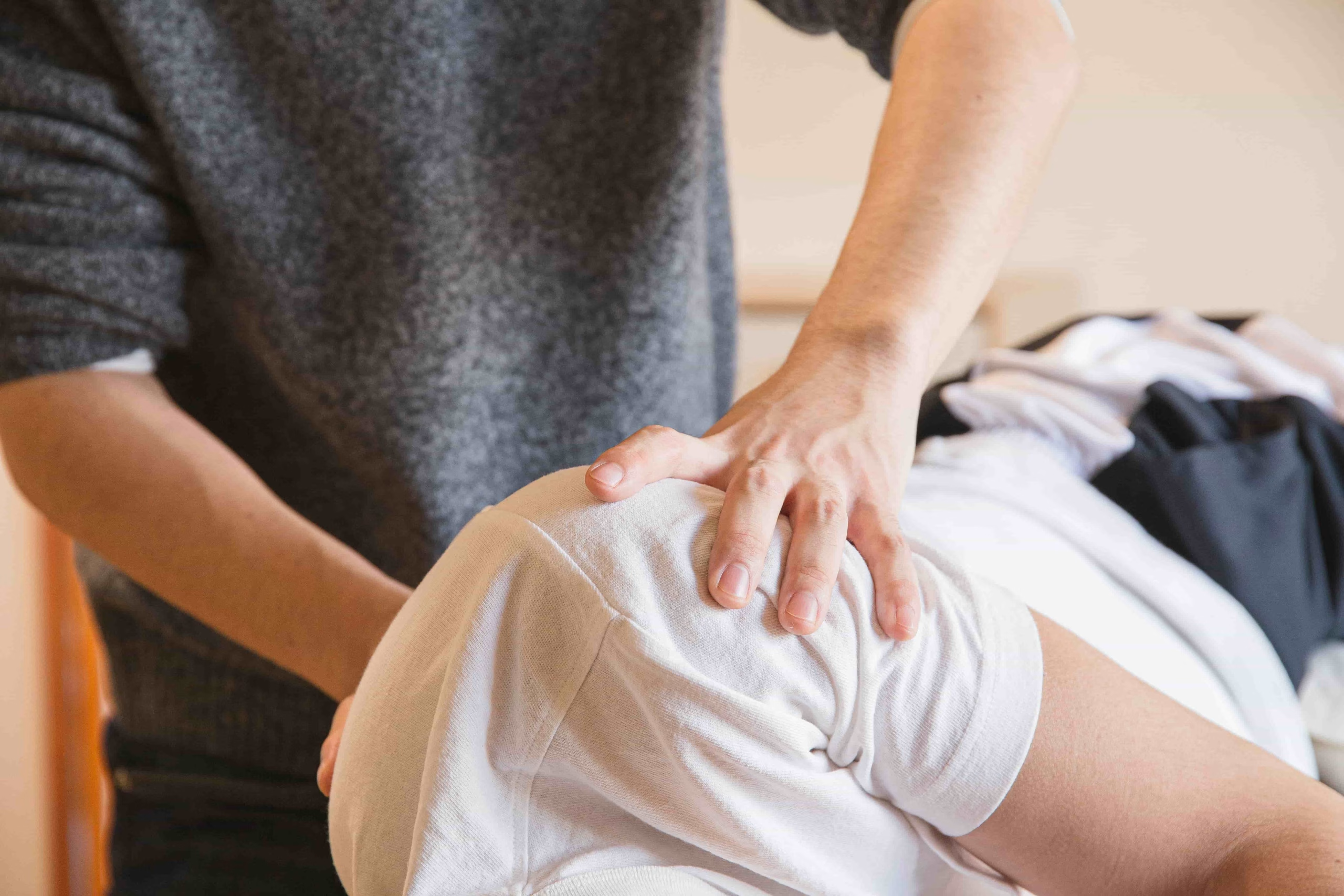
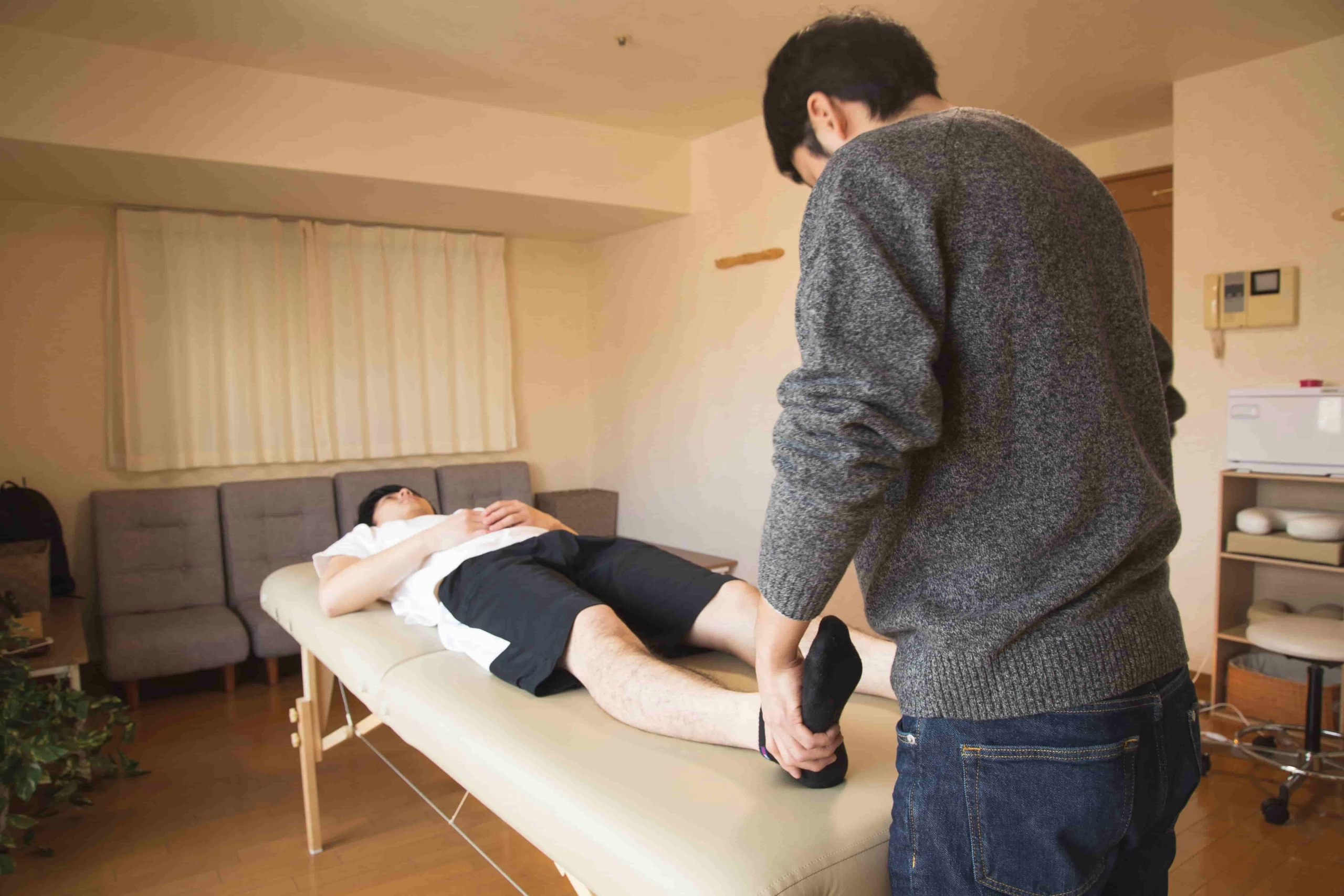
After trauma or immobilization, joints often become stiff and muscles tight. Without intervention, this can become permanent. A physiotherapist uses manual therapy and guided exercises to:
- Mobilize stiff joints
- Stretch tight or shortened muscles
- Prevent contractures and scar tissue buildup
- Improve circulation to healing tissues
For example, someone recovering from ACL reconstruction may find it difficult to fully straighten their knee. Without physiotherapy, this limited range of motion can persist and alter gait mechanics. With targeted stretches and joint mobilizations, however, a physio can safely restore full motion.
🧠 SEO Tip: Keywords like “restore range of motion after surgery” or “regain flexibility after injury” are often searched by patients looking for answers, use them in headings and subheadings for optimization.
✅ 2. Building Strength Without Re-Injury
Muscle weakness is a common side effect of both injury and surgery. Immobilization, even for a short period, causes muscle atrophy, which makes daily activities like climbing stairs or lifting objects feel more difficult.
Physiotherapy helps you rebuild this strength strategically, using graded resistance exercises designed to:
- Target weakened or unused muscle groups
- Protect healing tissues from strain
- Improve balance and stability
- Re-train proper movement patterns
For post-operative patients, physiotherapists often start with isometric exercises (gentle contractions without movement), and progress to functional strength training as you heal. This structured progression minimizes the risk of setbacks while maximizing gains.
💡 Pro Tip: Movewell Clinic often pairs strength training with movement re-education, ensuring you don’t just get stronger, you move smarter.
✅ 3. Improving Blood Flow for Faster Tissue Healing
Tissue healing depends heavily on oxygen and nutrient delivery, which is primarily driven by blood circulation. Physiotherapy techniques like:
- Therapeutic exercise
- Manual therapy
- Modalities like heat or ultrasound
…can increase local blood flow, helping your body deliver the materials it needs for healing.
For instance, patients recovering from rotator cuff surgery often benefit from active-assisted exercises that gently promote movement and circulation, without risking re-injury. These movements enhance collagen synthesis, reduce swelling, and promote better scar tissue formation.
🩸 Enhanced circulation also helps flush out inflammatory waste products, reducing pain and stiffness during recovery.
✅ 4. Preventing Secondary Complications
Prolonged immobility or lack of movement after an injury or surgery can lead to secondary issues, such as:
- Blood clots (especially after lower-limb surgery)
- Joint contractures
- Muscle imbalances
- Chronic pain syndromes (like frozen shoulder or complex regional pain syndrome)
Physiotherapy reduces these risks by:
- Encouraging early and safe mobilization
- Monitoring for red flags or complications
- Using modalities to manage inflammation and pain
An individualized plan from a physiotherapist ensures you don’t just heal the original problem, but also avoid complications that could delay or derail your recovery entirely.
✅ 5. Retraining Neuromuscular Control
When you’re injured or post-op, your body adapts. You may walk differently, guard certain movements, or rely on other muscles to compensate. Over time, these poor movement patterns become automatic and can lead to overuse injuries or chronic discomfort.
Physiotherapists specialize in neuromuscular re-education, teaching your brain and body how to move efficiently again.
This often includes:
- Gait retraining
- Balance and proprioception exercises
- Core stabilization
- Functional movement drills (e.g., squatting, lifting, walking)
For example, after ankle surgery, many patients develop a limp. Through balance work and gait analysis, a physio can restore a natural walking pattern, preventing future knee or hip issues caused by compensation.
✅ 6. Pain Management Without Relying on Medication
Pain is a major barrier to recovery, but medication isn’t the only solution.
Physiotherapy offers drug-free pain management techniques that target the root cause of pain, not just the symptoms:
- Manual therapy (massage, myofascial release, joint mobilization)
- Electrotherapy (TENS, ultrasound)
- Cold and heat therapy
- Dry needling or cupping
- Corrective exercises
These tools not only alleviate pain but improve tissue health and promote healing. Patients recovering from spinal surgery or chronic joint injuries often experience better long-term outcomes with physio-led pain relief strategies versus passive medication use.
✅ 7. Personalized Recovery Plans Based on Your Condition
One of the most valuable aspects of physiotherapy is that no two recovery plans are the same.
Whether you’ve had shoulder surgery, fractured a wrist, or undergone spinal fusion, your age, fitness level, occupation, and goals all play a role in how you recover.
A skilled physiotherapist will:
- Assess your baseline abilities and restrictions
- Create a progressive treatment plan that evolves with your recovery
- Regularly monitor your progress and adjust techniques accordingly
At clinics like Movewell, recovery isn’t just about treating pain, it’s about getting you back to your version of normal, whether that’s chasing your kids, playing tennis, or returning to work pain-free.
🧠 Real-World Examples: Common Injuries & Surgeries That Benefit from Physiotherapy
Here’s a snapshot of how physiotherapy supports recovery from specific procedures and injuries:
🔹 ACL Reconstruction:
- Restore full knee extension/flexion
- Strengthen quads and hamstrings
- Regain balance and agility for sport return
🔹 Rotator Cuff Surgery:
- Improve shoulder mobility and stability
- Prevent frozen shoulder
- Reduce scar tissue formation
🔹 Hip Replacement:
- Strengthen glute and core muscles
- Improve gait and reduce limp
- Minimize hip dislocation risk
🔹 Lower Back Injury:
- Improve spinal alignment and core strength
- Reduce nerve impingement symptoms
- Educate on posture and ergonomic habits
📊 What Does the Recovery Timeline Look Like?
Recovery timelines can vary widely depending on the injury or surgery. However, physiotherapy often shortens the healing process and improves long-term outcomes.
Here’s a general breakdown:
| Type of RecoveryWithout PhysioWith Physiotherapy Support | ||
|---|---|---|
| Soft tissue injury | 6–10 weeks | 3–6 weeks |
| Minor orthopedic surgery | 8–12 weeks | 4–8 weeks |
| Major joint replacement | 4–6 months | 2–4 months with improved mobility |
| Back injury (disc, strain) | Chronic pain risk | Full function in 6–10 weeks |
These timelines are averages and depend on many factors, but one thing is clear: physiotherapy improves the quality of your recovery, not just the speed.
🤝 Why Choose Movewell Clinic for Post-Injury or Post-Surgical Rehab?
At Movewell Clinic, we understand that recovery is about more than just exercises, it’s about returning to life without limitations.
Here’s what you can expect:
- 🧑⚕️ Expert physiotherapists who specialize in post-op and injury rehab
- 🧘♂️ One-on-one attention and custom treatment plans
- 💡 Education and empowerment so you understand your body
- 🏡 Home exercise programs for faster progress between sessions
- 🤝 Collaborative care that works with your surgeon or physician
Our mission is to help you heal faster, move better, and stay pain-free, no matter where you’re starting from.
✅ Final Thoughts: Don’t Just Wait to Heal, Accelerate It with Physiotherapy
The body has an incredible ability to heal, but without the right guidance, that healing can be slow, incomplete, or lead to further issues down the road. Physiotherapy bridges the gap between injury and full recovery, giving you the tools, support, and confidence to move forward faster.
Whether you’re post-surgery, post-injury, or somewhere in between, the team at Movewell Clinic is here to guide your journey with proven methods and compassionate care.
Ready to start healing smarter, not just harder?
Book your first physiotherapy assessment with Movewell Clinic today and get back to doing what you love, stronger than ever.