Skip to content

Movewell Rehabilitation Physiotherapy offers effective rehabilitation solutions tailored to your needs. Based in Canada, our expert physiotherapists are dedicated to helping you achieve a swift and safe recovery.
—
Understanding Rehabilitation Physiotherapy in Ontario
Rehabilitation physiotherapy focuses on helping individuals regain their function, mobility, and quality of life. This specialized branch of physical therapy is crucial for those recovering from injuries or managing chronic conditions. In Ontario, rehabilitation services offer a variety of therapeutic interventions that support health and well-being. Emphasizing client-centered care, physiotherapists create treatment plans based on individual needs and use evidence-based practices.
Definition and Scope of Rehabilitation Physiotherapy
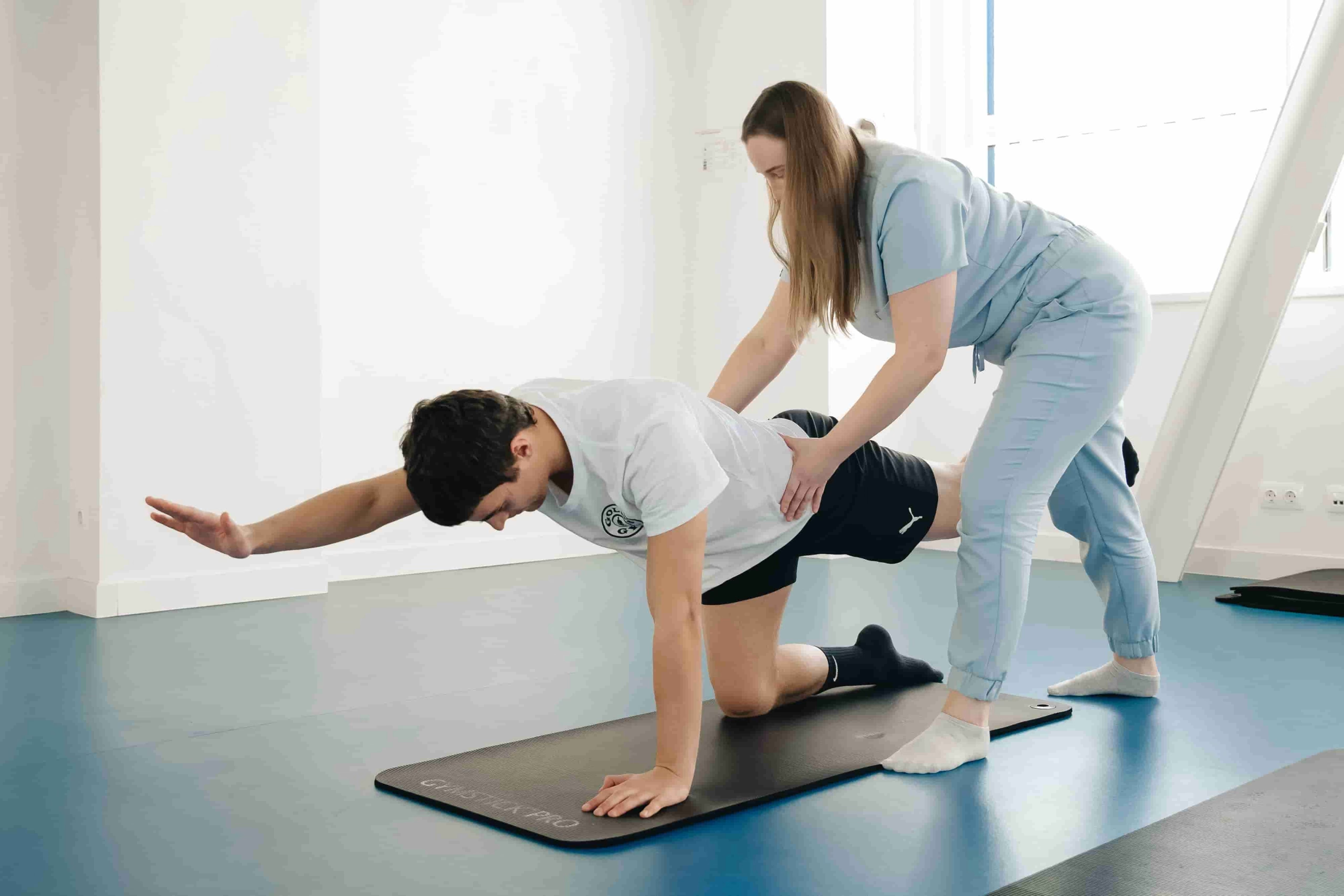
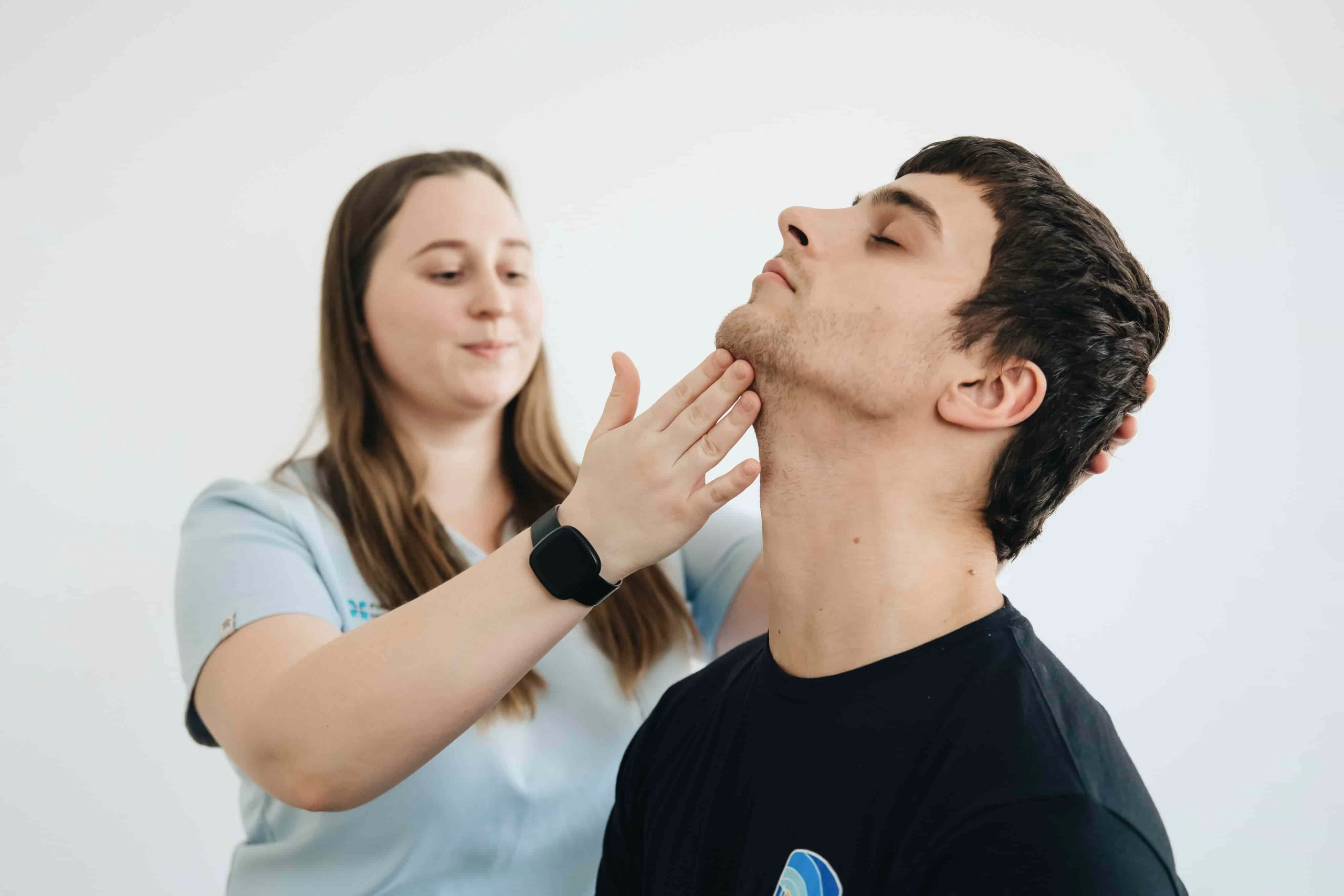
Rehabilitation physiotherapy includes assessing and treating patients with musculoskeletal issues, neurological disorders, or those recovering from surgery. Various therapeutic interventions enhance functional independence through exercises, manual therapy techniques, and patient education. Incorporating health promotion strategies empowers clients to actively participate in their recovery. Key areas of focus include:
- Injury rehabilitation: Treating acute injuries like sprains or fractures.
- Chronic condition management: Supporting ongoing issues such as arthritis or back pain.
- Mobility recovery: Helping individuals who have suffered strokes or undergone surgeries regain movement.
Physiotherapists are essential in this process. They develop rehabilitation programs that align with each patient’s specific goals.
The Role of Physiotherapists in Rehabilitation
Physiotherapists are key members of multidisciplinary teams dedicated to holistic patient care. They work alongside physicians, occupational therapists, nurses, and other healthcare professionals to create cohesive treatment plans that address all aspects of a patient’s health. Their responsibilities include:
- Conducting assessments to identify impairments affecting mobility.
- Designing personalized exercise regimens to improve strength and flexibility.
- Educating patients on injury prevention strategies and necessary lifestyle changes for long-term wellness.
Through effective communication and empathy towards patients’ challenges, physiotherapists encourage engagement in the rehabilitation process. They foster motivation for achieving positive outcomes.
Benefits of Rehabilitation Physiotherapy
Rehabilitation physiotherapy offers many benefits beyond physical improvements; it also provides emotional support during difficult times. Patients often see significant enhancements in mobility improvement and pain reduction after participating in tailored intervention programs. Some benefits include:
- Pain relief therapies: Techniques such as ultrasound therapy or electrotherapy help reduce discomfort significantly.
- Mobility improvement: Customized exercises restore the range of motion lost due to injury or surgery while encouraging functional independence necessary for daily activities.
Personalized approaches grounded in best practices lead to better outcomes for patients across Ontario’s healthcare landscape.
Improving Mobility and Function
A major focus of rehabilitation physiotherapy is enhancing mobility recovery among individuals facing varying degrees of limitations due to illness or trauma. Specific techniques used include:
- Range-of-motion therapy: Exercises targeting joint flexibility make it easier for patients to perform daily tasks.
By enhancing capabilities through these methods along with regular evaluations, patients can make sustained progress toward greater self-sufficiency post-recovery!
Pain Management and Recovery
Chronic pain management is a vital aspect addressed through rehabilitative measures led by trained professionals like physiotherapists. They provide numerous options aimed at alleviating persistent discomfort linked to various conditions faced by many Canadians today! Overall, rehabilitation physiotherapy stands out for its ability not just to deliver tangible results but also to promote resilience among individuals seeking to regain control over their lives after challenges.
Rehabilitation Physiotherapy Techniques
Rehabilitation physiotherapy includes various techniques that help people recover from injuries and manage chronic conditions. The main goal is to improve mobility and enhance life quality through effective therapeutic interventions. Common Techniques Used in Rehabilitation Physiotherapy Key techniques in rehabilitation physiotherapy include:
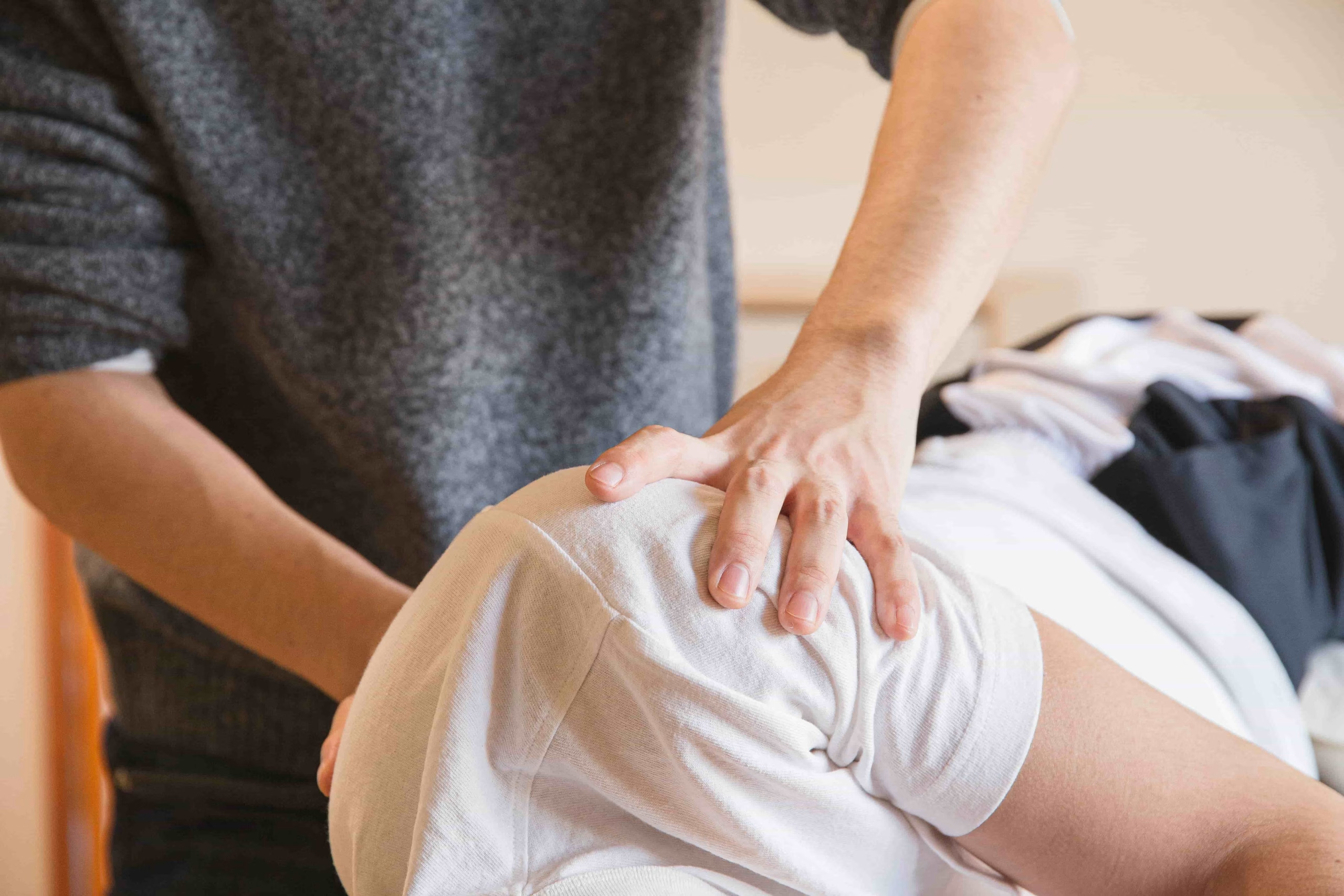
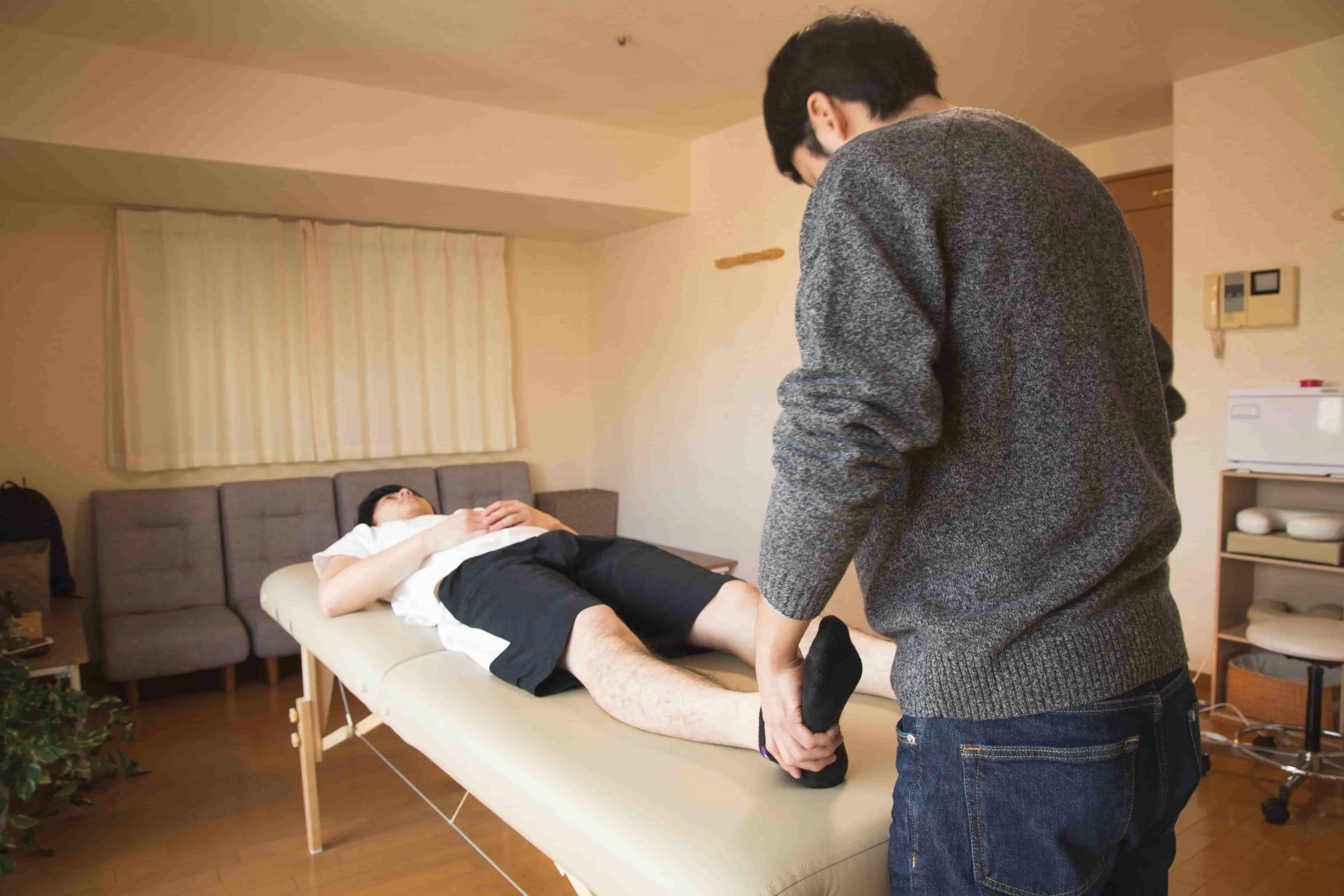
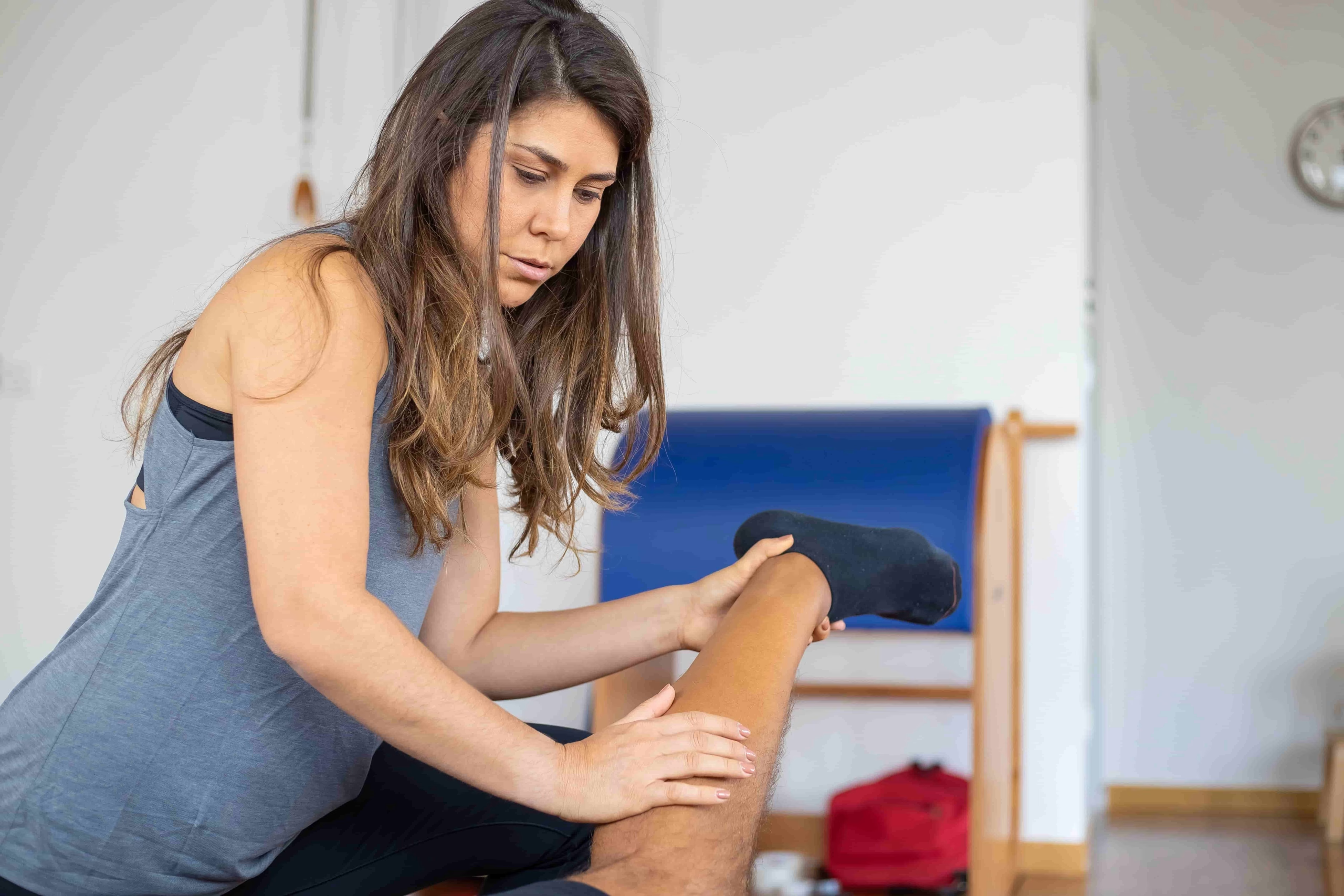
- Manual Therapy: This hands-on approach helps reduce pain and improve movement by manipulating soft tissues and joints.
- Electrotherapy: Using electrical modalities like ultrasound or TENS (Transcutaneous Electrical Nerve Stimulation), this technique aids in pain management and healing.
- Functional Rehabilitation: This focuses on helping individuals regain the ability to perform daily activities.
- Exercise Therapy: Structured physical activities strengthen muscles and boost overall fitness levels.
Manual Therapy and Exercises Manual therapy is vital for physical rehabilitation. It helps with tissue recovery through hands-on techniques, such as joint mobilization. These methods offer immediate relief and set the stage for therapeutic exercises that enhance strength, flexibility, and endurance. By including these exercises in their treatment plans, patients can see marked improvements in their functional capabilities. Electrotherapy and Modalities Electrotherapy is a popular part of many rehabilitation programs. Treatments like shockwave therapy target deep tissues using sound waves to reduce pain and speed up healing. Other modalities may include heat or cold therapies that complement electrotherapeutic approaches by providing additional pain management solutions tailored to each patient’s needs.
Evidence-Based Practices in Rehabilitation Physiotherapy
Rehabilitation physiotherapy is always changing based on evidence-based practices supported by recent research. This ensures that interventions are scientifically validated, improving the effectiveness of treatments. Latest Research and Advancements Recent studies showcase progress in managing chronic conditions within rehabilitation services. Evidence-based practices focus on personalized care protocols that are informed by data-driven outcomes, enhancing health promotion for various populations facing different levels of disability or impairment. Integrating Technology in Treatment Technology integration in treatment plans marks a shift towards more efficient healthcare systems within physiotherapy. Assistive devices play a key role in aiding mobility for patients with disabilities. Community health programs utilize technological innovations to improve access to rehabilitative resources, ensuring personalized care is readily available when needed.
Sports Injury Rehabilitation
Sports injury rehabilitation helps athletes recover after injuries. It focuses on rehabilitation programs that restore function, enhance mobility, and prevent future injuries. Physiotherapy techniques are essential in this process, addressing each patient’s unique needs.
Assessment and Treatment Plans
A clinical assessment is key to effective sports injury rehabilitation. This starts with evaluating the patient’s medical history and understanding their injury. Physical examinations identify any limitations in movement or strength. Based on these findings, personalized care plans are created that outline targeted treatment strategies.
Treatment plans often include physical therapy methods like manual therapy, exercise prescriptions, and neuromuscular re-education. These interventions aim to improve functional mobility and reduce pain through progressive therapeutic exercises tailored to individual recovery goals.
Return-to-Play Protocols
Post-injury care emphasizes return-to-play protocols that help athletes safely regain their performance levels. Mobility recovery is closely monitored during this phase to assess readiness for returning to sports activities.
Client empowerment is crucial here; educating individuals about their bodies builds confidence in making informed decisions regarding their return to sports. Regular evaluations adjust training loads while ensuring a gradual return to competitive environments.
Post-Surgery Rehabilitation
Post-surgical rehabilitation is vital for recovery after orthopedic procedures or injuries from athletic activities. Early mobilization strategies are implemented right after surgery to encourage healing and minimize complications from being immobile for too long.
Early Mobilization Strategies
Implementing early mobilization strategies improves functional independence by encouraging gentle movements soon after surgery. Techniques may involve passive range-of-motion exercises followed by active participation as tolerated—focusing on pain relief therapies that ensure comfort without hindering healing processes.
This proactive approach supports tissue repair and improves psychological well-being by providing hope through visible progress toward regaining normal function post-surgery.
Long-Term Recovery Support
Managing chronic conditions becomes essential as patients move from acute post-operative care toward long-term recovery support systems that maintain health improvements over time. Ongoing monitoring addresses issues like chronic pain management effectively while offering resources for caregivers supporting rehabilitation at home or within community settings.
Collaboration between healthcare professionals establishes a robust support network around each patient’s circumstances—facilitating holistic approaches that help achieve lasting outcomes beyond the initial surgical intervention alone.
Neurological Rehabilitation
Neurological rehabilitation focuses on conditions affecting the nervous system, often due to trauma like strokes or degenerative diseases impacting motor skills. This specialized attention requires dedicated therapeutic programs designed specifically for neurological deficits faced by affected individuals seeking pathways back toward autonomy.
Stroke Recovery Programs
Effective stroke rehabilitation emphasizes individualized programs based on evidence-based practices targeting specific deficits encountered in daily challenges post-stroke. Brain injury physiotherapy employs advanced methods, ensuring effectiveness throughout recovery stages while regularly assessing progress along the way.
Treatment for Movement Disorders
Addressing movement disorders requires neuromuscular therapy along with adaptive strategies customized according to various symptoms observed in different diagnoses. Collaboration among multidisciplinary teams enhances insights shared collectively, benefiting everyone involved.
Pediatric Rehabilitation Physiotherapy
Pediatric rehabilitation physiotherapy helps children improve their physical health and independence. It focuses on client-centered care, ensuring that each treatment plan meets the specific needs of every child. Through well-designed rehabilitation programs, therapists work to support mobility recovery and enhance overall well-being. Developmental Assessments Developmental assessments are key in pediatric rehabilitation. They track a child’s growth against developmental milestones and identify where help is needed. Clinical assessments provide a detailed pediatric evaluation, considering both physical and mental development. With the right therapeutic interventions, physiotherapists can develop effective plans that boost motor skills and coordination. Interventions for Children with Special Needs Interventions for children with special needs often combine various therapies to improve their lives. Assistive devices may be introduced to aid mobility or communication. Occupational therapy enhances daily living skills, while speech therapy focuses on language development. Each child benefits from individualized treatment plans designed to meet their unique challenges, promoting growth in different areas.
Geriatric Rehabilitation Physiotherapy
Geriatric rehabilitation physiotherapy aims to improve older adults’ quality of life by addressing age-related health issues. This area of physiotherapy is vital for managing chronic conditions and preventing complications that arise with aging. Fall Prevention Programs Fall prevention programs are essential parts of geriatric rehabilitation aimed at reducing fall risks for seniors. Balance therapy can help enhance stability, while strength training exercises build muscle resilience, crucial for maintaining mobility in older age. Mobility improvement strategies teach seniors practical ways to move safely in their environments. Managing Age-Related Conditions Managing age-related conditions involves a range of approaches, including arthritis treatment and neurological rehabilitation for elderly patients facing issues like Parkinson’s or stroke recovery. Pain relief therapies provide important support by easing discomfort from chronic conditions, enabling seniors to engage more fully in everyday activities.
Multidisciplinary Rehabilitation Teams
A multidisciplinary team approach is key in rehabilitation physiotherapy. It combines the skills of different healthcare professionals to deliver thorough care. This teamwork helps create coordinated treatment plans that fit each client’s unique needs. By bringing together various expertise, these teams provide a wide range of rehabilitation services. Their focus remains on client-centered care, ensuring clients and caregivers receive the right support.Collaboration with Other Healthcare ProfessionalsWorking together with other healthcare professionals is essential for achieving successful rehabilitation outcomes. A physiotherapist collaborates closely with rehabilitation nurses, occupational therapists, and speech therapists to foster an inclusive treatment environment. Regular coordination with primary care physicians ensures that every aspect of a patient’s health is addressed, enhancing overall recovery.Coordinated Treatment PlansAt the core of effective rehabilitation physiotherapy are coordinated treatment plans. These customized rehabilitation plans draw from evidence-based practice to ensure therapeutic interventions suit each individual’s condition. This planning includes regular assessments and modifications based on patient progress, enabling an adaptive approach that meets evolving needs throughout recovery.
Patient-Centered Care in Rehabilitation Physiotherapy
Client-centered care is about involving patients in their healing process within rehabilitation physiotherapy. This approach emphasizes personalized goal setting that aligns with each individual’s aspirations and challenges while promoting education and self-management strategies crucial for long-term success.Personalized Goal SettingPersonalized goal setting plays a vital role in managing chronic conditions effectively through mobility recovery initiatives aimed at functional independence. Patients collaborate with their therapy teams to set achievable goals based on their unique situations, boosting motivation and engagement during rehab.Education and Self-Management StrategiesEducation empowers patients during recovery. Targeted patient education programs focus on community reintegration and wellness initiatives, providing individuals with valuable knowledge about managing their conditions post-rehabilitation. Emphasizing self-management strategies fosters independence and encourages active participation in health management.
Movewell Rehabilitation Physiotherapy Services
At Movewell, we focus on rehabilitation physiotherapy. We provide a range of services designed to meet each client’s unique needs. Our physical therapy programs aim to improve functional mobility and support recovery through customized rehabilitation plans. We offer outpatient rehabilitation programs that help restore independence after injuries and address chronic pain management solutions.
Our Approach to Rehabilitation Physiotherapy
We use a client-centered care approach, making sure every individual gets personalized care based on their specific situation. Comprehensive assessments are essential in our practice, allowing us to thoroughly understand each client’s needs. This understanding helps us apply therapeutic interventions that are grounded in evidence-based practice, promoting effective healing and recovery.
Comprehensive Assessments
A clinical assessment is vital for creating an effective treatment plan. During this therapist evaluation, we collect detailed information about your medical history and current condition. This process enables us to develop focused injury rehabilitation plans that address both immediate issues and long-term wellness goals.
Customized Treatment Programs
Every patient benefits from an individualized treatment plan tailored just for them. Our exercise prescriptions aim not only at physical improvement but also consider holistic healing principles that incorporate mental well-being along with physical health.
Movewell’s Specialized Services
Alongside general rehabilitation physiotherapy services, we offer specialized rehabilitation services for musculoskeletal conditions. These targeted therapies work to improve function and reduce pain associated with specific injuries or chronic conditions.
Outpatient Rehabilitation Programs
Our outpatient rehabilitation programs are especially beneficial for individuals recovering from injuries who seek post-injury care strategies aimed at community reintegration. We support patients with structured exercises and activities designed for a safe return to daily life while ensuring effectiveness throughout their recovery process.
Chronic Pain Management Solutions
Managing chronic pain involves a multi-faceted approach. We provide comprehensive chronic pain treatment options, including various pain relief therapies tailored to different discomforts experienced by our clients. Moreover, supporting caregivers is essential as they play a crucial role in the patient’s recovery; psychological support in rehabilitation can also be helpful during tough times.
Success Stories and Patient Testimonials
The success of our methods shines through the many stories shared by those we’ve helped on their path to wellness and recovery. Patient empowerment is central to our mission as we celebrate measurable outcomes such as improved mobility that significantly enhances quality of life over time.
Real-Life Recovery Journeys
Through dedicated health promotion initiatives paired with strategic disability management tactics, many individuals have successfully overcome their challenges thanks to Movewell’s supportive environment focused on personal growth during rehab processes.
Measurable Outcomes and Improvements
By tracking rehabilitation outcomes, we assess progress and continuously improve toward achieving set mobility enhancement goals.
FAQs about Rehabilitation Physiotherapy
What is rehabilitation physiotherapy?
Rehabilitation physiotherapy is a specialized field focused on restoring mobility and function. It helps individuals recover from injuries, surgeries, or chronic conditions through tailored therapeutic interventions.
How do rehabilitation nurses contribute to recovery?
Rehabilitation nurses provide vital support during recovery. They assist with daily activities, monitor patient progress, and ensure the implementation of customized rehabilitation plans.
What role does speech therapy play in rehabilitation?
Speech therapy helps patients regain communication skills after injury or surgery. It supports those with speech impairments or swallowing difficulties through targeted exercises and strategies.
What are assistive devices, and how do they aid recovery?
Assistive devices enhance mobility for individuals facing challenges. They include walkers, canes, and wheelchairs, providing crucial support during rehabilitation.
How do wellness programs benefit rehabilitation patients?
Wellness programs promote overall health during recovery. They incorporate fitness training, nutritional guidance, and stress management techniques to improve patient outcomes.
What types of therapeutic interventions are used in rehabilitation physiotherapy?
Common therapeutic interventions include manual therapy, exercise therapy, and electrotherapy. These techniques help alleviate pain and improve mobility through personalized treatment plans.
How does chronic pain treatment work in rehabilitation settings?
Chronic pain treatment focuses on managing persistent discomfort. Physiotherapists use various approaches such as pain relief therapies and exercise prescriptions to help patients regain control over their pain.
Why is occupational health important in rehabilitation?
Occupational health ensures patients can safely return to work. It includes assessments and interventions that address specific workplace challenges faced by individuals recovering from injuries.
How does mental health rehabilitation support recovery?
Mental health rehabilitation addresses emotional well-being during recovery. It provides psychological support to help individuals cope with the challenges associated with physical limitations.
Additional Key Aspects of Rehabilitation Physiotherapy
- Nutrition in Rehabilitation: Nutritional guidance enhances healing.
- Holistic Rehabilitation: Focuses on whole-person care.
- Public Health Initiatives: Promote community health resources.
- Community Health Programs: Provide local access to services.
- Driver Retraining: Assists those needing adaptive driving strategies.
- Adaptive Strategies: Tailored approaches for individual challenges.
- Life Skills Training: Teaches essential skills for daily living.
- Support for Caregivers: Resources aid caregivers’ roles.
- Sports Injury Rehabilitation: Specialized care for athletes.
- Rehabilitation Techniques: Includes various methods tailored to needs.
- Psychological Support in Rehabilitation: Addresses mental aspects of recovery.
- Concussion Management: Specific protocols for brain injuries.
- Healthcare Providers Coordination: Enhances interdisciplinary collaboration.
- Primary Care Physician Coordination: Ensures comprehensive patient care.
- Wellness Assessments: Evaluate overall health status pre-rehab.
- Fitness Training: Improves strength and endurance post-injury.
- Customized Rehabilitation Plans: Individualized approaches for optimal outcomes.