
Transforming Care by Bringing It to You
Physiotherapy plays a vital role in supporting recovery from injuries, managing chronic pain, and maintaining physical function, especially as we age or face medical challenges. Yet, for many people in British Columbia, whether due to limited mobility, lack of transportation, or rural living, getting to a physiotherapy clinic isn’t always possible. That’s where mobile physiotherapy in British Columbia becomes a game-changer.
Mobile physiotherapy provides high-quality, personalized care directly in the patient’s home or living environment. The result is not just more convenience but a more responsive, context-aware, and comfortable path to healing. This blog dives deep into the essential role mobile physiotherapists play, who benefits from this care model, and why it’s becoming a preferred choice across the province.
What Is Mobile Physiotherapy?
Mobile physiotherapy is a healthcare service where licensed physiotherapists travel to patients’ homes or other suitable locations to provide assessments, treatment, education, and follow-up care. This approach brings the same expert techniques used in a clinic, such as manual therapy, rehabilitation exercises, and pain management, into a setting that’s often more relevant and realistic for the patient.
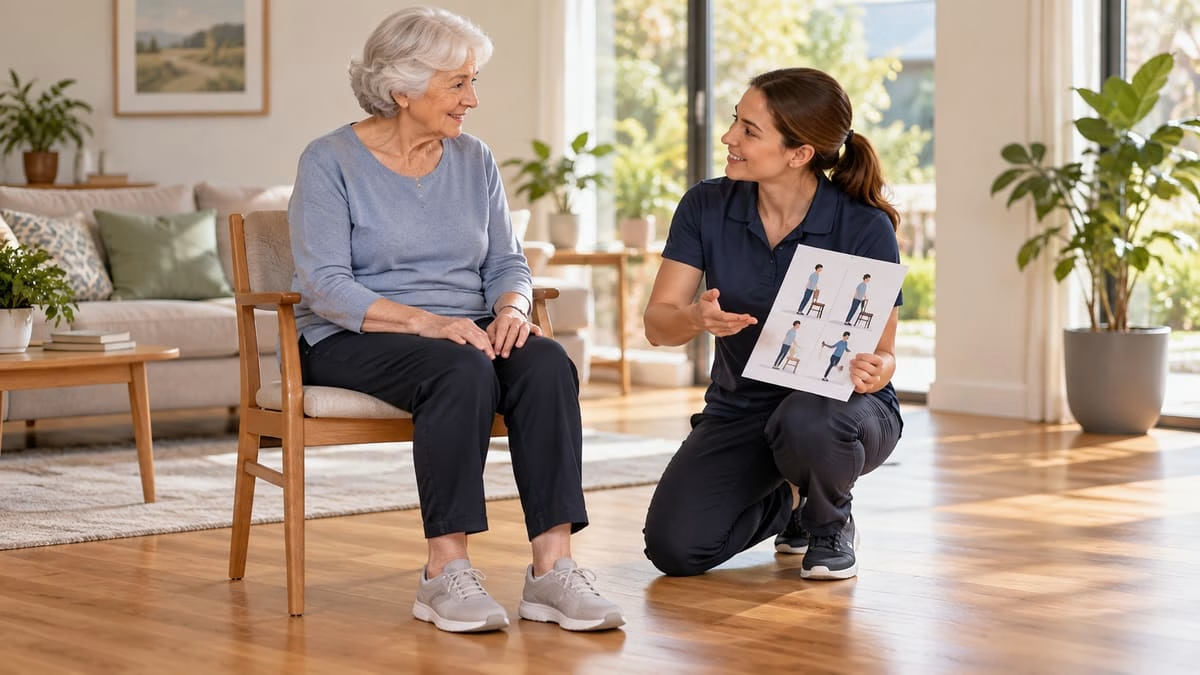
By offering care in the home, mobile physiotherapists can tailor their treatments more precisely. They can observe how patients function in their natural environment, identify potential risks or barriers, and adapt exercises using furniture or objects already familiar to the patient.
In British Columbia, where weather, terrain, and urban-rural divides can pose transportation challenges, mobile physiotherapy ensures equitable access to essential care.
Core Responsibilities of a Mobile Physiotherapist
The job of a mobile physiotherapist goes far beyond simply providing therapy in a new location. Their work involves a comprehensive and adaptable approach designed to meet the specific needs of each individual.
Personalized Assessment in the Patient’s Environment
A mobile physiotherapist begins by conducting an extensive physical assessment that includes evaluating posture, gait, strength, joint mobility, and balance. Unlike clinic assessments, this evaluation occurs in the same setting where the patient lives and moves, giving the therapist a much deeper understanding of the patient’s everyday challenges.
For example, the therapist may observe the difficulty a patient has getting up from a low couch, walking up narrow stairs, or navigating cluttered hallways. These insights help shape a more functional and relevant care plan.
Custom Treatment Plan Based on Real-Life Needs
After the assessment, the therapist develops a customized treatment plan that reflects the patient’s medical condition, personal goals, physical limitations, and living situation. This plan may include:
- Strengthening and flexibility exercises
- Balance and coordination training
- Pain relief modalities (such as heat, cold, or gentle massage)
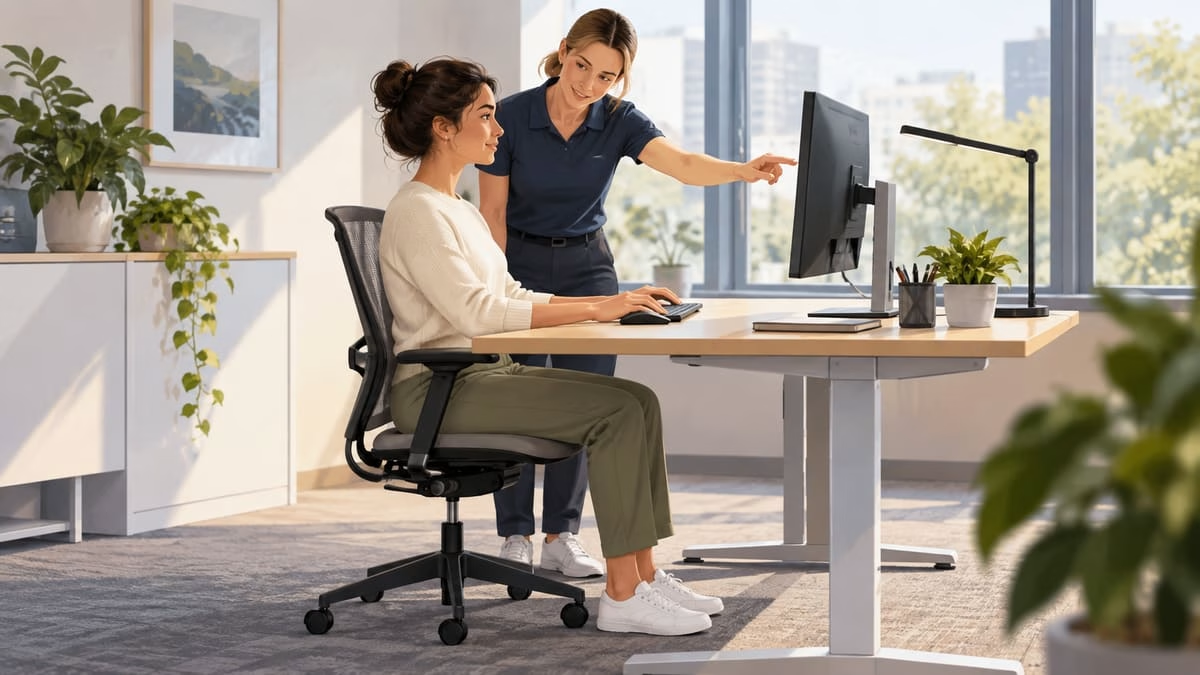
- Posture correction techniques
- Functional training for activities like climbing stairs or rising from a chair
Each element is carefully selected to improve the patient’s quality of life within their actual living environment, increasing the likelihood of success and compliance.
Delivery of Hands-On Therapy and Exercise Coaching
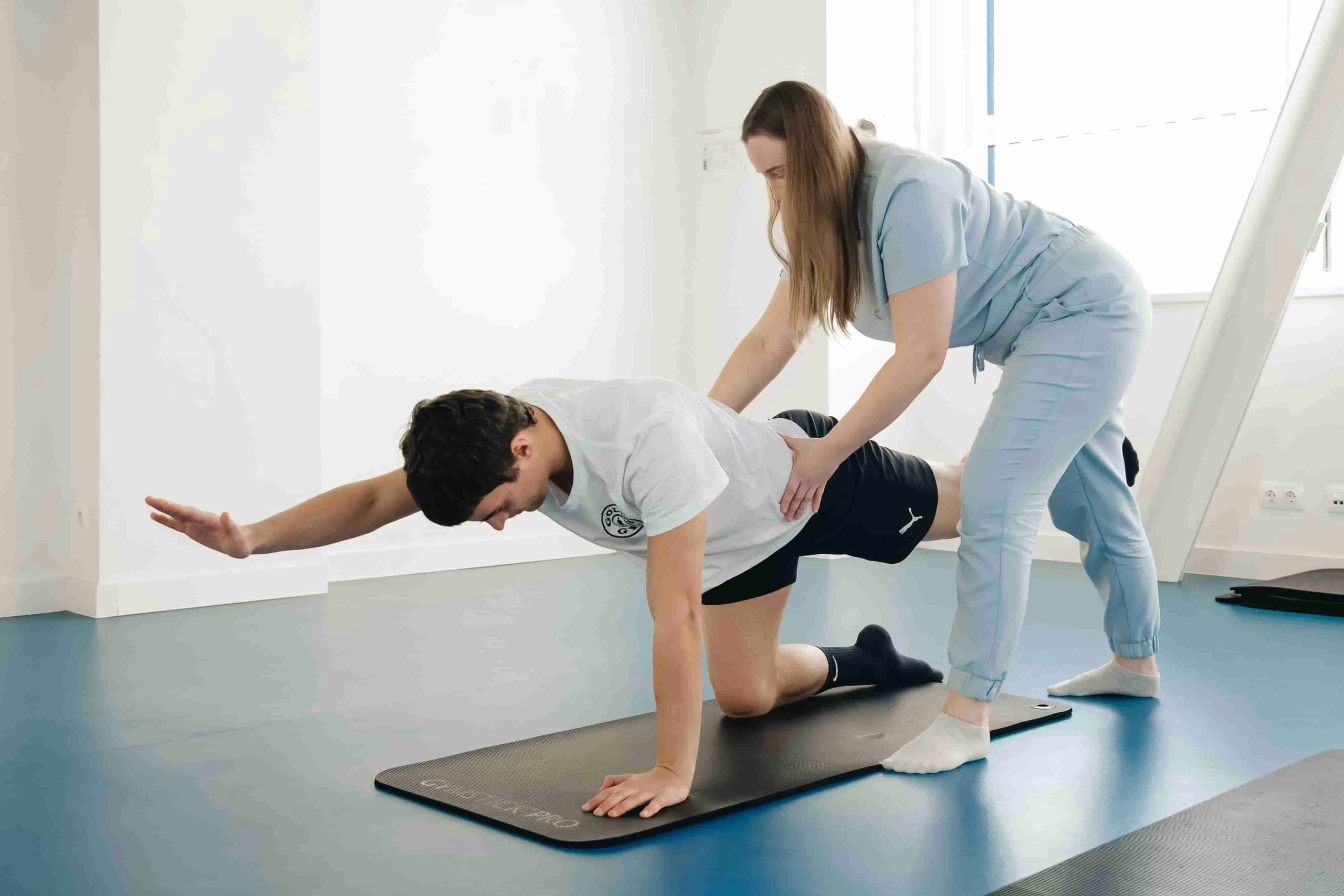
Treatment sessions include both hands-on therapy and guided exercise routines, adjusted to the patient’s tolerance and progress. These sessions may also use portable equipment the therapist brings, or adapt exercises using household items to improve functionality in the patient’s actual surroundings.
The therapist provides clear, step-by-step instruction and corrects movements in real time, ensuring that the patient is doing each exercise safely and effectively. Over time, this hands-on support reduces reliance on the therapist and builds the patient’s confidence and autonomy.
Patient and Caregiver Education
One of the most important responsibilities of a mobile physiotherapist is education. They empower patients and caregivers with the knowledge and techniques they need to continue progress between sessions.
This may include:
- Safe ways to move or transfer from a bed or chair
- Fall prevention tips tailored to the home
- Personalized exercise plans for independent practice
- Advice on how to use assistive devices properly
By educating both patients and caregivers, mobile physiotherapists promote independence and minimize the risk of injury or relapse.
Ongoing Monitoring and Adaptation
Recovery is not a static process. As the patient improves or encounters new challenges, the mobile physiotherapist continuously monitors progress and adjusts the care plan accordingly.
This dynamic model of care is especially effective in managing chronic conditions or post-operative recovery, where needs can evolve rapidly. Because mobile physiotherapists observe patients in real-life conditions over time, they can spot subtle improvements or issues early and adapt treatment before problems escalate.
Who Benefits Most from Mobile Physiotherapy?
Mobile physiotherapy is particularly beneficial for individuals who face difficulty accessing traditional clinic-based services. Common groups that benefit include:
- Seniors with mobility issues or fall risks
- Post-surgery patients who are not yet strong enough to travel
- People living with neurological disorders, such as stroke, Parkinson’s disease, or multiple sclerosis
- Patients with chronic pain or arthritis who need in-home management
- Individuals with temporary injuries who find travel painful or unsafe
- Busy families or professionals looking for flexible care options
The flexibility and customization of mobile physiotherapy make it suitable for patients of all ages and activity levels.
Benefits of Mobile Physiotherapy in British Columbia
British Columbia’s geography and climate pose unique challenges that make mobile physiotherapy not just convenient but essential. Here’s a closer look at the wide-ranging benefits.
Enhanced Comfort and Convenience
Receiving care in the comfort of your home eliminates the need for stressful commutes, long waits in clinics, or navigating stairs and public transportation. Patients often feel more relaxed and receptive in their own space, improving treatment outcomes.
Higher Engagement and Compliance
Mobile therapy encourages consistent follow-through. Because therapists can fit into the patient’s daily routine and tailor exercises to the home environment, patients are more likely to stay on track with their rehab goals.
Real-World Functionality and Relevance
In a clinic, exercises may seem disconnected from daily life. But in mobile physiotherapy, the therapist helps patients practice real-life activities like walking in their hallway, climbing their stairs, or standing up from their specific chair, making improvements more meaningful and lasting.
Improved Privacy and One-on-One Focus
Mobile therapy allows for discreet and uninterrupted care, especially appreciated by individuals who value privacy or feel self-conscious in group settings. Each session is fully dedicated to one patient, allowing for deeper interaction and personalized adjustments.
Safer Environments Through Home Modifications
Mobile physiotherapists can suggest simple but impactful home modifications, such as removing tripping hazards, rearranging furniture, or installing grab bars, creating a safer healing environment and reducing the risk of injury.
Comparing Mobile vs. Clinic-Based Physiotherapy
Here’s a side-by-side comparison to help illustrate the differences:
| Aspect | Mobile Physiotherapy | Clinic-Based Physiotherapy |
| Location of Care | At home or chosen environment | At a clinic |
| Convenience | High, no travel required | Moderate, travel and waiting often required |
| Therapy Relevance | Tailored to home activities and real-world function | Often based on standardized equipment setups |
| Privacy and Focus | One-on-one in private space | May be shared with others or in open spaces |
| Best for | Seniors, post-surgery, chronic care, mobility-limited | Athletes, acute injuries, gym-based rehab |
| Flexibility | High, appointments fit patient schedule | Limited to clinic hours and availability |
Expanding Access Across BC’s Diverse Communities
Mobile physiotherapy is especially important in rural and remote areas of British Columbia, where clinics may be far away or understaffed. Mobile therapists help ensure patients in smaller towns, First Nations communities, and geographically isolated regions receive the same high-quality care as those in urban centers.
By reducing travel barriers and adapting to local environments, mobile physiotherapy increases healthcare equity and promotes community wellness throughout the province.
Common Challenges Mobile Therapists Navigate
Providing care in a mobile setting requires flexibility, planning, and adaptability. Mobile physiotherapists often contend with:
- Travel time between appointments, especially in large or rural regions
- Weather-related issues like snow or flooding
- Space limitations in small or cluttered homes
- Lack of standard equipment, which requires improvisation or creative use of household items
Despite these challenges, experienced therapists are well-trained to navigate different environments and provide high-level care wherever they go.
When to Consider Mobile Physiotherapy
You might benefit from mobile physiotherapy if you or a loved one:
- Recently had surgery and can’t yet travel safely
- Has a chronic condition that affects balance or strength
- Lives in a rural or remote area
- Prefers receiving care at home for privacy or comfort
- Has trouble attending appointments due to mobility or fatigue
- Needs help adapting daily activities to their home setup
Healing Where It Matters Most
The primary role of a mobile physiotherapist is to ensure that everyone, regardless of location or mobility, has access to the rehabilitation care they need. By bringing therapy to the home, they eliminate barriers, improve treatment relevance, and provide more personalized and empowering care.
As mobile physiotherapy in British Columbia continues to grow, it’s clear that this model is not only practical, it’s essential. With the right support, recovery doesn’t just happen in a clinic. It begins where you live, move, and thrive.
Support You Can Count On: MoveWell Mobile Therapy
At MoveWell Mobile Therapy, we specialize in bringing professional physiotherapy directly to your door. Our licensed therapists are equipped to help you recover from injury, manage chronic pain, or regain mobility, all from the comfort of your own home.
Whether you’re navigating post-surgical recovery, supporting a loved one’s aging journey, or just want the convenience of in-home care, our team is here to provide consistent, one-on-one treatment focused entirely on your goals. Serving British Columbia, Canada, we are committed to making healthcare more personal, accessible, and effective.
Call us at +17789096683 or send an email to info@mobiletherapy.ca to schedule your first visit and experience the difference of expert care brought to you.