
Mobile physiotherapy is a powerful and flexible approach to rehabilitation, injury recovery, and pain management, especially for those in British Columbia seeking convenience without compromising on quality care. Delivered in the comfort of your home, it eliminates travel time and allows for personalized, uninterrupted treatment. But one of the most common questions patients ask is: “Is one session enough?”
In most cases, the answer is no. While a single session can provide insight, immediate relief, or a starting point for self-care, meaningful recovery usually requires multiple visits, consistent follow-up, and dedicated effort from both therapist and patient. This article explains what happens during a mobile physiotherapy session, why ongoing care is often necessary, and how to evaluate your own progress.
What Exactly Is Mobile Physiotherapy?
Mobile physiotherapy refers to professional physical therapy services delivered directly at a client’s location, typically their home, but it can also be a retirement community, workplace, or post-operative recovery site. This model of care is especially beneficial for:
- Individuals with limited mobility
- Post-surgical patients
- Seniors who prefer in-home comfort
- Busy professionals with tight schedules
- Parents or caregivers who cannot easily leave the house
In British Columbia, mobile physiotherapy offers the same clinical expertise you’d find in a traditional clinic but with the added benefit of home-based customization. Therapists can assess and address challenges within your actual living environment, such as staircase use, bed mobility, or workstation setup.
What Happens in the First Session?
The first mobile physiotherapy session sets the stage for your recovery journey. It’s much more than just physical exercises, it’s a comprehensive evaluation that lays the groundwork for a tailored plan.
1. Comprehensive Assessment
Your physiotherapist will begin with a full-body assessment based on your symptoms, medical history, and lifestyle. This typically includes:
- A discussion about your current issue, how long it’s been present, and what makes it better or worse
- An evaluation of your range of motion, flexibility, muscle strength, posture, and balance
- Observation of functional tasks such as standing, walking, or climbing stairs
- A review of your living space to identify physical challenges or risks (especially for seniors or post-surgical patients)
This first phase is critical, it ensures your treatment is appropriate for your goals, condition, and home environment.
2. Goal Setting and Education
After the assessment, your therapist will explain what’s happening in your body, the likely causes of your symptoms, and how physiotherapy can help. You’ll then set practical, achievable goals, these could range from pain reduction and increased mobility to being able to return to work or sports.
3. Initial Treatment
You’ll usually begin treatment right away. Depending on your needs, this could involve:
- Gentle manual therapy (massage or mobilization)
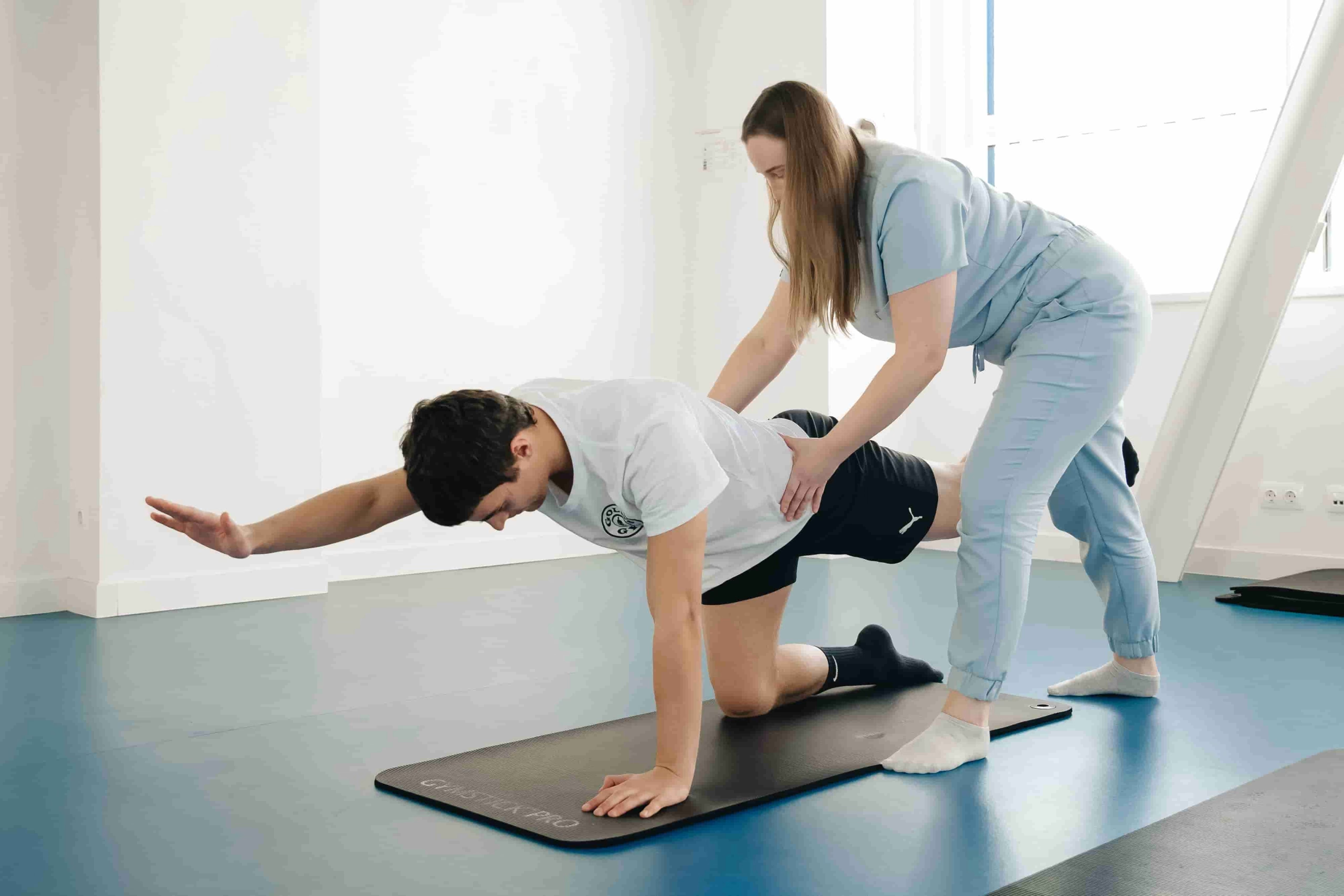
- Guided therapeutic exercises
- Postural correction strategies
- Instruction in safe body mechanics
- Pain management education
While many people feel some improvement after the first session, that progress is just the beginning. Sustainable results require follow-through and consistency.
Situations Where One Session Might Be Enough
Although it’s uncommon, there are specific circumstances where a single mobile physiotherapy session could be sufficient:
Mild or Temporary Conditions
If your issue is mild, such as a slight muscle strain, stiffness from a poor sleep posture, or tension from sitting too long, you may benefit from one session that provides education, movement correction, and a short exercise plan.
Ergonomic or Preventive Consultations
Some people book physiotherapy for a consultation on workplace ergonomics or injury prevention. In these cases, the therapist provides recommendations or setups (such as desk height, chair adjustment, or movement breaks), and no follow-up may be required unless problems arise later.
Confirmation and Reassurance
A one-time visit can also serve as reassurance. If you’re unsure whether your pain is serious or if you’re recovering properly from a minor injury, a session can help you understand your condition and offer a self-guided recovery strategy.
Even so, therapists often recommend a brief follow-up to review progress, check form on exercises, or adapt the plan as needed.
Why Most People Need More Than One Session
In most clinical situations, more than one session is necessary. Physiotherapy is rarely a quick fix, it’s a structured process that targets the underlying root of dysfunction, not just the symptoms.
Recovery Takes Time
Tissues like muscles, tendons, and ligaments need time to heal. For example, muscle strains can take several weeks, while joint replacements or neurological conditions can require months of consistent therapy. One session cannot significantly speed up biological healing, but it can initiate a plan that does.
Functional Change Requires Repetition
Physiotherapy also focuses on retraining movement patterns. If you’ve developed a poor posture, gait irregularity, or compensatory muscle habit, changing it will take repetition, coaching, and adjustment over time.
Ongoing Monitoring Ensures Progress
Your therapist will monitor your progress, increase the challenge level of your exercises, and adjust techniques based on your recovery speed. Without this progression, results may plateau or regress.
Typical Conditions and Suggested Treatment Frequencies
Every person heals at a different pace, but the following chart provides a general idea of how many sessions are usually recommended based on condition:
| Condition | Average Number of Sessions |
| Mild muscle strain or sprain | 2–4 sessions |
| Lower back pain | 4–8 sessions |
| Post-operative knee or hip rehab | 8–12+ sessions |
| Stroke or neurological rehab | 12–20+ sessions |
| Sports injury (e.g., ACL tear) | 10–15 sessions |
| Shoulder impingement or frozen joint | 6–10 sessions |
| Joint replacement rehabilitation | 10–15+ sessions |
This chart is not definitive, but it shows that one session is rarely enough for full recovery. Your plan may be shorter or longer depending on your starting point, age, general health, and compliance with the home program.
The Crucial Role of Home Exercises
One of the most important aspects of mobile physiotherapy is the home exercise program you’ll receive. Your therapist will design exercises tailored to your current ability and condition, aiming to:
- Improve strength and flexibility
- Reinforce proper movement patterns
- Reduce inflammation or joint pressure
- Accelerate healing and improve function
Doing these exercises consistently and correctly is just as important as the sessions themselves. One session may be enough to learn the exercises, but without supervision and progression, it’s easy to lose technique or motivation, slowing or even reversing your progress.
Signs You Likely Need More Sessions
Here are some signs that one mobile physiotherapy session is not enough:
- You still feel pain, stiffness, or weakness several days later
- You’re unsure about your home exercises or how to do them properly
- Basic activities like walking, climbing stairs, or getting out of bed are still difficult
- Your symptoms improve and then quickly return
- You want to avoid recurring injury or prevent deterioration
- Your mobility remains limited, even with mild effort
In these cases, continuing care can help you reach lasting recovery instead of temporary relief.
Why Mobile Physiotherapy Works So Well in British Columbia
Mobile physiotherapy is especially beneficial for British Columbia residents because it eliminates logistical barriers like traffic, weather, or limited access to transportation. It also offers:
- One-on-one, uninterrupted care
- Flexibility with scheduling
- Personalized attention in your actual living space
- The ability to modify your treatment based on your daily routines and physical environment
This model of care empowers patients and gives therapists a more complete understanding of what you face day to day. Whether recovering from surgery, managing a chronic condition, or preventing future injury, mobile physiotherapy is a practical, effective solution.
How to Get the Most from Each Session
To maximize the effectiveness of each visit:
- Prepare your space before the therapist arrives (clear the floor, have a chair ready, etc.)
- Dress comfortably for movement
- Be open and detailed when describing symptoms or limitations
- Practice your exercises between sessions and take notes if needed
- Ask questions, your understanding is essential to your success
- Stay consistent with both appointments and your home program
Physiotherapy is a team effort, and your participation can make all the difference.
One Step at a Time
While one session of mobile physiotherapy can provide valuable insight, education, or short-term relief, long-term success usually depends on multiple sessions, consistent effort, and expert guidance. Your body needs time to heal and adapt, and mobile therapy ensures you get the support you need in the place you need it most: your home.
If you’re considering mobile physiotherapy in British Columbia, remember that recovery is a process, not a one-time event. With a personalized approach and consistent care, you can regain your strength, mobility, and quality of life.
We’ve Got You Covered
When you’re ready to take the next step in your recovery journey, MoveWell Mobile Therapy is here to support you every step of the way. Our experienced team brings professional, compassionate care directly to your home, so you can heal in a space that’s familiar and comfortable. Whether you’re recovering from surgery, managing chronic pain, or striving to regain function, our therapists create customized plans tailored to your lifestyle and goals.Serving British Columbia, Canada, MoveWell makes rehabilitation more accessible than ever. Call us at +17789096683 or send an email to info@mobiletherapy.ca to book your first session or speak with a member of our team.