
In today’s digital world, most of us spend more time sitting at desks than we care to admit. Whether you’re working from home or in an office, spending hours at a computer is the new normal. Unfortunately, so is the back pain, neck stiffness, and poor posture that often come with it.
If your shoulders are tight, your lower back aches, or your neck feels stiff by 3 PM, you’re not alone. Studies show that more than 70% of office workers experience back or neck pain at some point.
But here’s the good news: you don’t have to suffer in silence or completely overhaul your schedule to feel better. A simple, 5-minute physiotherapy-inspired routine, done right at your desk, can offer significant relief — fast.
In this guide, we’ll explore:
- Why desk jobs are so harmful to your body
- The root causes of back and neck pain
- A targeted, 5-minute physio routine to reset your posture
- Pro ergonomic tips to keep the pain away long-term
Let’s dive into how you can feel better without ever leaving your chair.
💺 Why Desk Jobs Are Damaging to Your Back and Neck
Working at a desk may seem harmless, after all, you’re just sitting, right? But sitting for long periods (especially with poor posture) can negatively affect your muscles, joints, and spine.
Here’s how your desk job is silently impacting your body:
🔸 Muscle Imbalances
When you sit all day:
- Your hip flexors tighten, pulling your pelvis forward and causing lower back pain.
- Your glutes and core weaken, reducing support for your spine.
- Your chest tightens, and your upper back muscles weaken, encouraging a hunched posture.
🔸 Spinal Compression
Prolonged sitting increases pressure on your spinal discs, especially in the lumbar spine (lower back). Over time, this can lead to disc degeneration, herniation, or chronic pain.
🔸 Forward Head Posture
Most people lean forward while working at a screen. This shifts the head several inches ahead of the spine. For every inch your head moves forward, it adds 10 pounds of stress to your neck and shoulders!
🔸 Poor Circulation and Stiffness
Lack of movement slows blood flow to muscles and joints, contributing to stiffness, reduced flexibility, and fatigue.
💡 The bottom line: Desk work places your body in unnatural positions for extended periods. If you don’t counteract it, it can lead to serious musculoskeletal issues.
🔍 The Cumulative Effects of Poor Posture
Bad posture doesn’t happen overnight, it develops gradually from repetitive, unconscious habits. Over time, your muscles and joints start adapting to these postures.
Here’s what typically happens:
- You start slouching forward as you type or scroll.
- Over weeks or months, certain muscles get tighter (like your chest), while others become weaker (like your upper back).
- Your body “remembers” this new position as your default.
- Eventually, standing or sitting straight feels unnatural, and pain becomes your new normal.
This pattern doesn’t just cause discomfort, it affects breathing, mood, sleep, and productivity. That’s why physiotherapists emphasize early correction through movement.
🕔 5-Minute Physio Routine for Back & Neck Relief
Ready to reset your posture and reduce pain? This 5-minute physiotherapy-inspired routine is perfect for office workers. It’s designed to stretch tight areas, activate weak muscles, and restore balance to your body, all without leaving your desk.
🔹 1. Chin Tucks – Fix “Tech Neck”
Duration: 1 minute
Reps: 10–15
How to Do It:
- Sit tall with your shoulders relaxed.
- Gently tuck your chin straight back (not down), as if you’re trying to make a double chin.
- Hold for 5 seconds, then release.
Benefits:
- Corrects forward head posture
- Eases neck and shoulder tension
- Improves cervical spine alignment
🎯 Tip: Avoid looking down, imagine a string pulling the crown of your head upward.
🔹 2. Shoulder Blade Squeezes – Activate Postural Muscles
Duration: 1 minute
Reps: 15–20
How to Do It:
- Sit or stand tall.
- Squeeze your shoulder blades together (as if holding a pencil between them).
- Hold for 5 seconds, then relax.
Benefits:
- Strengthens rhomboids and mid-trapezius
- Improves upright posture
- Opens tight chest muscles
🎯 Tip: Keep shoulders relaxed and avoid shrugging during the movement.
🔹 3. Seated Thoracic Extensions – Mobilize Your Mid-Back
Duration: 1 minute
Reps: 10
How to Do It:
- Sit on a chair with a backrest that ends at your mid-back.
- Place hands behind your head, elbows wide.
- Gently lean back over the top of the chair, opening your chest.
- Return to upright and repeat.
Benefits:
- Restores thoracic mobility
- Reduces mid-back stiffness
- Helps combat slouching
🎯 Tip: Breathe deeply during the extension for added benefit.
🔹 4. Hip Flexor Stretch (Standing or Kneeling) – Release Tight Hips
Duration: 1 minute
Each Side: 30 seconds
How to Do It:
- Stand and take a step back with one leg.
- Bend the front knee and tuck your pelvis under.
- Keep your chest upright and squeeze your back glute.
- Hold, then switch sides.
Benefits:
- Relieves tension in hip flexors
- Realigns pelvis
- Supports lower back
🎯 Tip: Avoid over-arching your lower back, focus on engaging your core.
🔹 5. Seated Spinal Twist – Boost Flexibility & Core Engagement
Duration: 1 minute
Each Side: 30 seconds
How to Do It:
- Sit with feet flat on the floor.
- Place your right hand on your left knee.
- Gently twist your torso to the left, keeping hips stable.
- Look over your shoulder, hold, and repeat on the other side.
Benefits:
- Improves spinal mobility
- Reduces stiffness from sitting
- Gently engages oblique muscles
🎯 Tip: Inhale to lengthen the spine, exhale to deepen the twist.
🧠 Bonus: Ergonomic Tips to Prevent Pain Long-Term
Stretching is vital, but so is optimizing your workspace to support good posture all day long. A poorly set up workstation can negate all your efforts.
✅ Ergonomic Must-Haves:
- Monitor at eye level: Prevents forward head tilt
- Chair with lumbar support: Maintains natural spinal curve
- Elbows at 90 degrees: Minimizes shoulder and wrist strain
- Feet flat on the floor: Promotes proper leg circulation
- Keyboard and mouse within reach: Avoids overreaching
🎯 Extra Tip: Consider using a sit-stand desk or desk riser to change positions throughout the day.
🔄 Additional Movement Hacks for Desk Workers
If you want to go beyond the basics, here are more easy strategies to reduce stiffness and stay mobile:
1. Micro-Movements Every 30 Minutes
Set a timer to stand, stretch, or walk briefly every half hour.
2. Walk-and-Talk Calls
Pace during phone or video calls. Walking helps decompress your spine.
3. Foam Rolling After Work
Spend 5 minutes rolling out your back, quads, and hips at the end of the day.
4. Use an App for Reminders
Apps like Stretchly or Stand Up! can remind you to move and stretch.
⚠️ When Should You See a Physiotherapist?
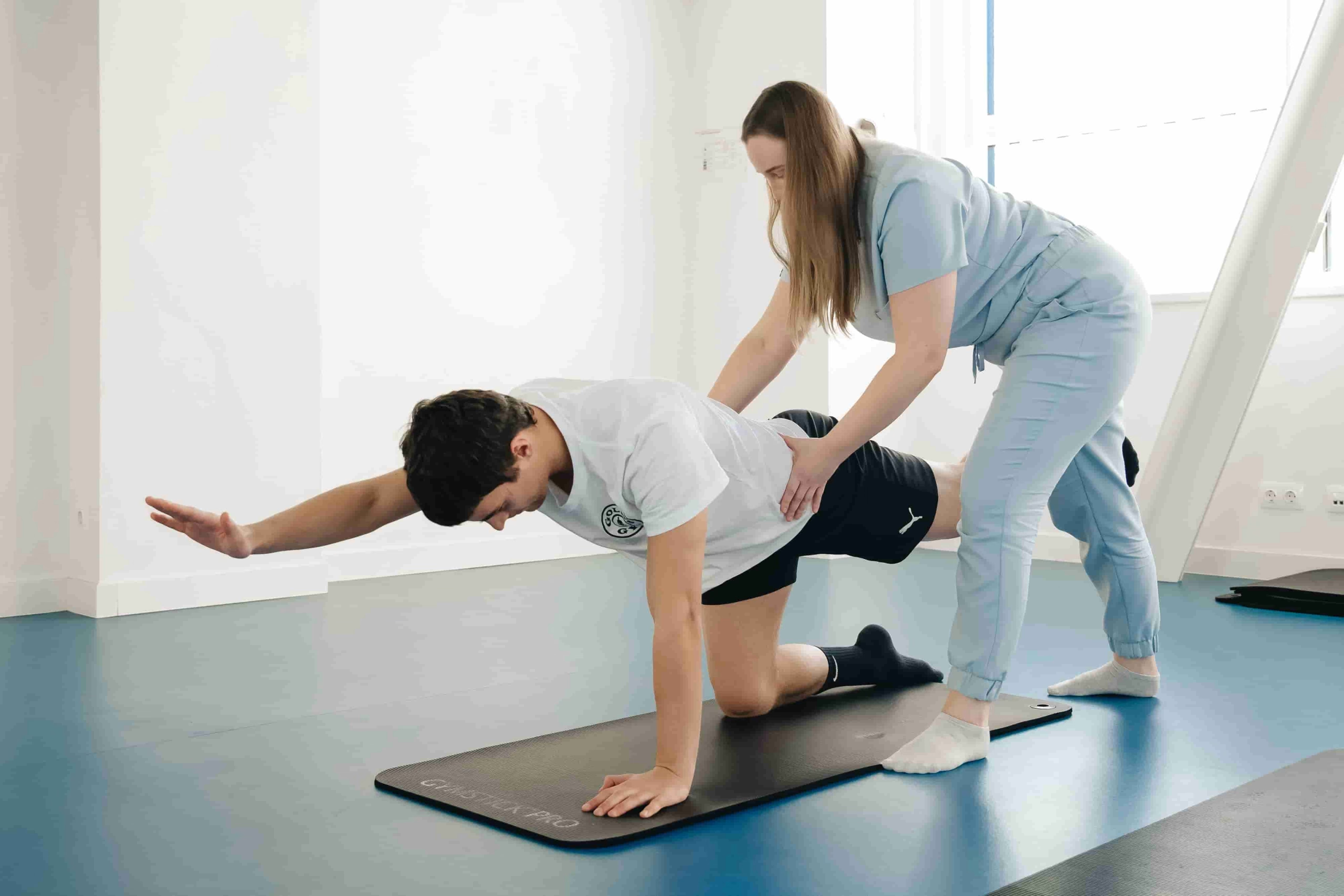
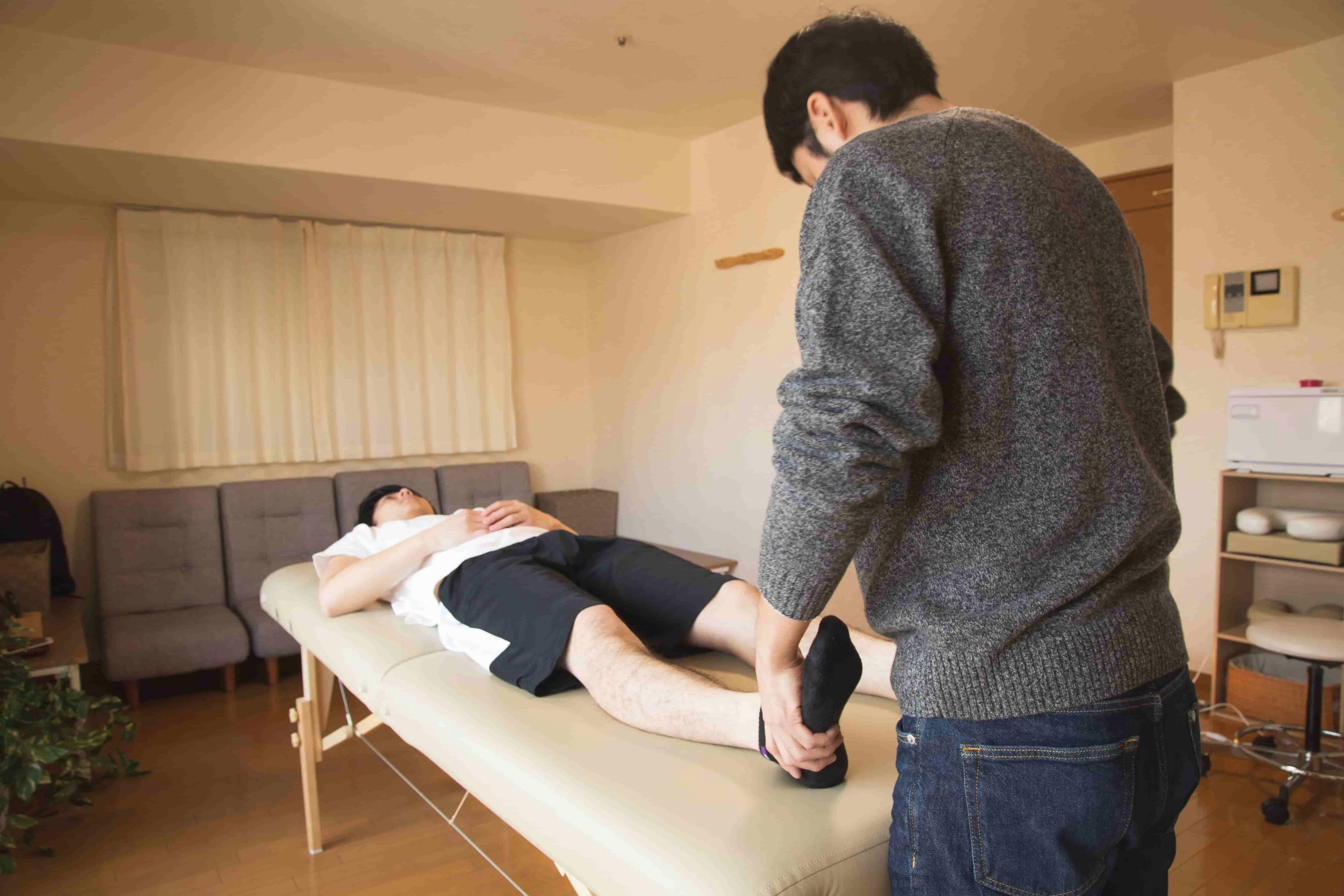
While this routine helps prevent and manage discomfort, it’s important to recognize when self-care isn’t enough.
See a physiotherapist if you:
- Experience pain that doesn’t improve with stretching
- Have numbness, tingling, or weakness in limbs
- Struggle with recurring headaches or jaw pain
- Notice worsening posture despite correction efforts
How a Physiotherapist Can Help:
- Assess movement patterns and posture
- Offer personalized exercise plans
- Provide hands-on treatment and joint mobilization
- Help prevent chronic conditions from developing
🎯 Key Insight: Don’t wait until the pain is severe. Early intervention makes recovery quicker and easier.
✅ Summary: Move More, Sit Smarter
Sitting may be a necessary part of your job, but pain doesn’t have to be. By incorporating this 5-minute physio routine into your daily schedule, along with smart ergonomic tweaks, you can relieve pain, restore posture, and prevent future problems.
Start today. Five minutes is all it takes to invest in a healthier spine and a more energized you.